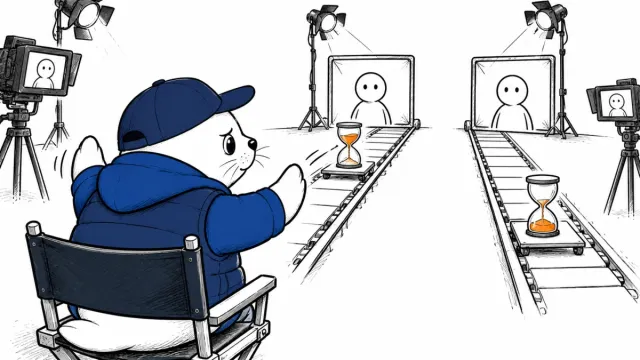


xAI ships fast, and Grok Imagine Video is a good example, version 1.5 didn’t just tweak things, it jumped the model to the front of the pack. Worth understanding what actually improved, and why the bigger lesson is about pace, not any single release.
What version 1.5 actually changed
Grok Imagine Video 1.5, built on xAI’s Aurora engine, was a genuine step up rather than a cosmetic update. When it landed, it jumped straight to the top of an image-to-video leaderboard (a notable Elo leap over the previous version) pushing past well-known rivals including Google’s Veo and ByteDance’s Seedance on that particular measure.
Concretely, it generates 720p clips at 24 frames per second with native audio baked in, in lengths of roughly 6 to 15 seconds. It handles both text-to-video and image-to-video, so you can start from a written prompt or animate a still you already have. The native audio is the detail that matters most day to day, sound generated with the video removes the eerie-silent-clip problem you’d otherwise fix in post.
Why the sound-and-motion combo matters
For creators, the practical win is that a single tool now gives you a short, sound-on clip from a prompt or a photo. That’s ideal for the jobs AI video is genuinely good at: hooks and cold opens, B-roll and transitions, and turning a product still into a quick showcase clip. The quality is solidly social-ready, not cinema-grade, but more than enough for feeds where the first three seconds decide everything.
The real story: xAI’s pace
Here’s the takeaway I’d actually hold onto, bigger than any spec sheet. The jump from 1.0 to 1.5 happened fast, and it vaulted the model to the top, which tells you exactly how quickly this field moves. Today’s leaderboard king is next month’s baseline. xAI is iterating aggressively, and so is everyone it’s competing with.
That has a practical implication: don’t over-commit to any single video tool based on a leaderboard, because the ranking will have changed by the time you’ve built a whole workflow around it. The winners keep a primary tool and a backup, and re-test after big releases instead of panic-switching on every one.
How I’d use it
My approach hasn’t changed with the new version, because the fundamentals of AI video haven’t.
- Prompt like a director: subject, camera move, lighting, mood, length. Specific prompts create usable seconds; vague ones create pretty garbage.
- Use it for the connective tissue: hooks, B-roll, product motion, not for the moments where your real face or a genuine demo builds trust.
- Test, don’t chase: run one 5-second prompt across 1.5 and a rival, judge with your own eyes, and drop the winner into a real draft.
- Watch the “looks fake” signal: if comments say it, that’s data, tighten the prompt or go hybrid.
September 9 update: the API price and 1080p controls are documented
Update token: grok-imagine-video-15-api-pricing-20260909. xAI’s current developer documentation now lists native 1080p output, first-and-last-frame generation, reference images, preset voices, and Batch API support for Grok Imagine Video 1.5. These API controls are separate from what a consumer app exposes.
| API item | Published price | 10-second example |
|---|---|---|
| Image input | $0.01 per image | $0.01 for one input image |
| 480p output | $0.08 per second | $0.80 |
| 720p output | $0.14 per second | $1.40 |
| 1080p output | $0.25 per second | $2.50 |
| Preset voice input | Free | $0.00 |
A 60-second 1080p result therefore carries $15 in listed output charges before retries. A 60-second 720p result is $8.40, while 480p is $4.80. Compare cost per accepted clip, not cost per generated clip, because failed motion, audio, continuity, or safety checks create another paid attempt.
First-and-last-frame generation can make an intended transition easier to specify, while reference images can improve visual consistency. Neither control proves continuity between the endpoints. Check faces, hands, text, objects, voice timing, and the final frame before publishing.
The Batch API supports the model, but xAI does not list a separate discounted batch price on the referenced pages. Completed batch result URLs are signed and expire after one hour, so download and archive accepted outputs promptly. xAI also documents payload and request limits that can affect large production queues.
Primary documentation: video generation capabilities, model pricing, and Batch API behavior. Checked September 9, 2026.
The bottom line
Grok Imagine Video 1.5 is a strong, fast, sound-on video tool that briefly led the pack, genuinely worth trying if short-form video is part of your work. But treat it as one tool in a moving field, not a permanent choice. The models keep leapfrogging each other; your taste, your honesty, and your discipline about which tool wins which shot are the things that actually stay constant.
A re-test cadence so you’re never behind
Because a leaderboard leader today is a baseline tomorrow, here’s how to stay current without whiplash. Don’t switch tools on announcements, switch on evidence. Keep a single saved “test clip” prompt (something with motion, a face, and a spoken line) and, whenever a major new version drops on any video tool you’d consider, run that one prompt and compare it side by side with your current pick. If the new one clearly wins your test, switch; if it’s marginal, stay put. One saved prompt turns the endless race into a two-minute check you run a few times a year.
Have you tried Grok Imagine Video yet, how did the audio and motion hold up for you? Tell me in the comments.
Verification sources and related guides
Primary reference: SpaceXAI announcement for Grok Imagine Video 1.5. This is an official provider source. Treat performance, adoption, and product claims as company-reported unless the article identifies an independent check.