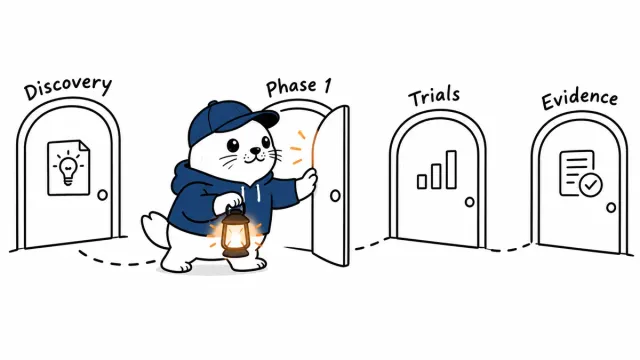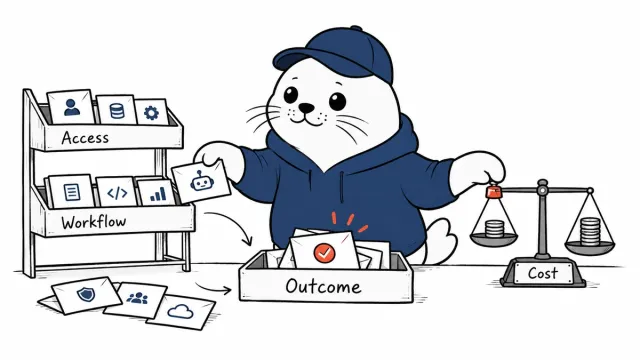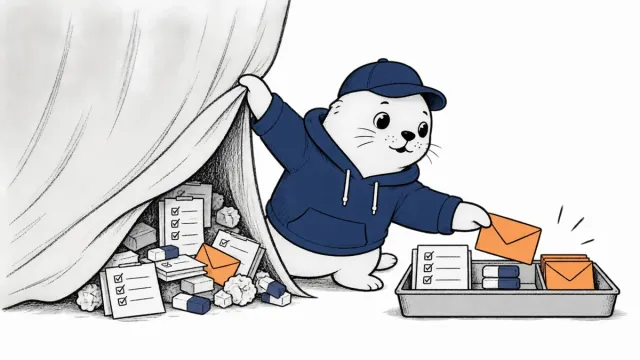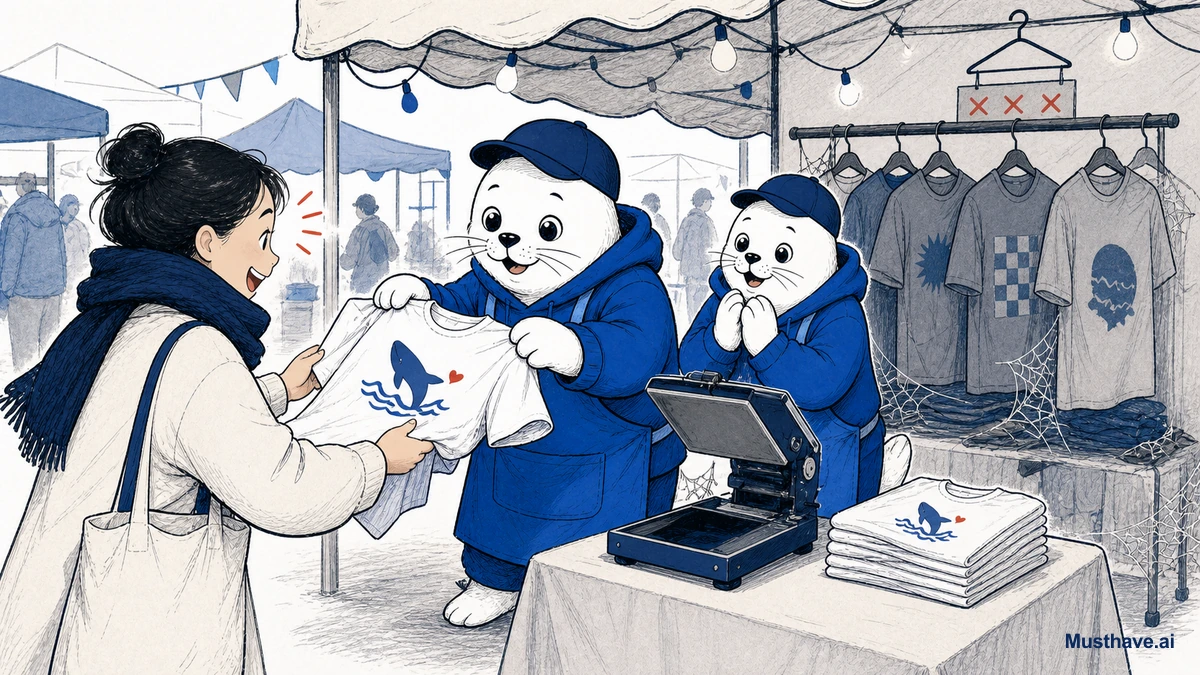
The demo version of print on demand is intoxicating: generate a thousand designs, upload everywhere, watch passive income roll in. The Monday-morning version is that 990 of those designs never sell a single unit. Here’s how to actually do POD with AI, starting where the money really is, which is not the design tool.
The uncomfortable truth about POD
Let’s start honest. AI made it trivial to make a design. That’s exactly why making designs is no longer where the money is. When everyone can generate infinite art in seconds, the bottleneck moves entirely to one question: does anyone actually want this design, on this product, badly enough to buy it?
So the winners flipped the order. They don’t design first and hope. They validate a niche first, then design deliberately for it. AI shortens the production loop, but it does not invent a customer. That job is still yours.
Finding niches that aren’t dead on arrival
Here’s how I’d pressure-test a niche before making anything. “Dead on arrival” niches share obvious tells: they’re broad, generic, and already flooded with cheap listings. Live niches are specific, tied to an identity, and underserved.
- Go narrow and specific: not “cat lovers” (a graveyard) but “ragdoll cat owners who do agility training.” The tighter the identity, the stronger the buy.
- Check the competition: search the niche on the platform. If page one is saturated with polished, cheap designs, it’s dead on arrival. If it’s thin or dated, there’s an opening.
- Look for passion and events: hobbies, professions, milestones, and recurring occasions (retirements, graduations, reunions) have built-in, repeating demand.
- Use AI to expand, not decide: a chat model is great for brainstorming 50 sub-niches; you make the call on which ones have real buyers.
Where Kittl earns its place
Once you’ve got a validated niche, this is where AI design tools shine. My go-to for POD is Kittl, because it’s built for exactly this: clean, editable typography and vector work that actually looks professional on a physical product, plus the finishing tools (background remover, upscaler, vectorizer) that print work demands. Most POD sells on text and clean graphics, and Kittl handles both without the garbled-letters problem plain image generators have.
The workflow is simple: design for your specific niche in Kittl, keep the type crisp and readable at thumbnail size, and export a print-ready file. Quality over quantity, a handful of genuinely good designs for a real niche beats a flood of generic ones.
Mockups: the step people skip
Here’s an edge most beginners miss. A flat design file is not a product, a mockup is. A great mockup (the design shown on the actual shirt, mug, or poster, ideally in a lifestyle context) dramatically lifts your click-through and conversion, because the buyer can picture owning it. Kittl and most POD platforms generate these, and some now even produce short mockup videos. Spend the extra ten minutes here; it pays.
Match the platform to your play
Finally, pick the right storefront for your strategy. Amazon Merch on Demand gives you built-in traffic but strict rules and a tier system. Etsy paired with a fulfillment partner like Printful or Printify gives you a marketplace with SEO you can work. Your own Shopify store gives maximum control but zero built-in traffic, you bring the audience. None is “best”; they reward different strengths, so choose based on whether you’d rather borrow an audience or build one.
Do POD this way (validate, design with care, mockup properly, pick the right platform) and AI becomes real leverage instead of a slot machine. Skip the validation, and no design tool on earth will save you.
The 60-second saturation check
Before committing to a POD niche, run this fast test so you don’t design into a graveyard. Search the niche on your target platform and look at the first page of results. Ask: are the top designs already polished and cheap, or dated and thin? Are there dozens of near-identical listings, or clear gaps? A saturated first page (lots of professional, low-priced designs) means “dead on arrival” unless you have a genuinely fresh angle. A thin or generic first page means there’s room. Sixty seconds here saves you from designing beautiful products nobody will ever find.
What niche are you eyeing for POD? Drop it in the comments and I’ll tell you how I’d check whether it’s alive or dead on arrival.
Verification sources and related guides
Primary reference: Kittl AI official product page. This is an official provider source. Treat performance, adoption, and product claims as company-reported unless the article identifies an independent check.