While Silicon Valley argues about AGI and posts demo reels, something quieter and far more important is happening in British hospitals. An AI tool called Heidi is giving overworked clinicians millions of hours back, not by being flashy, but by handling the paperwork nobody went to medical school to do. This is what real-world AI actually looks like.
What Heidi actually does
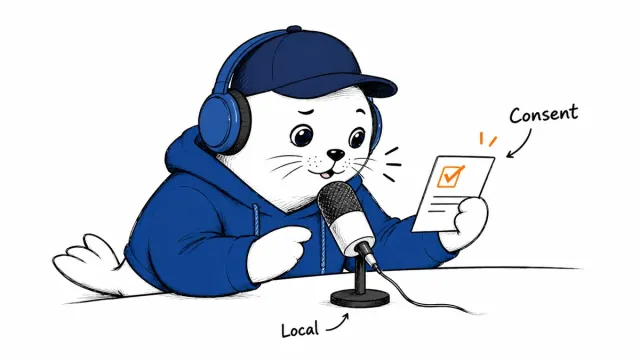
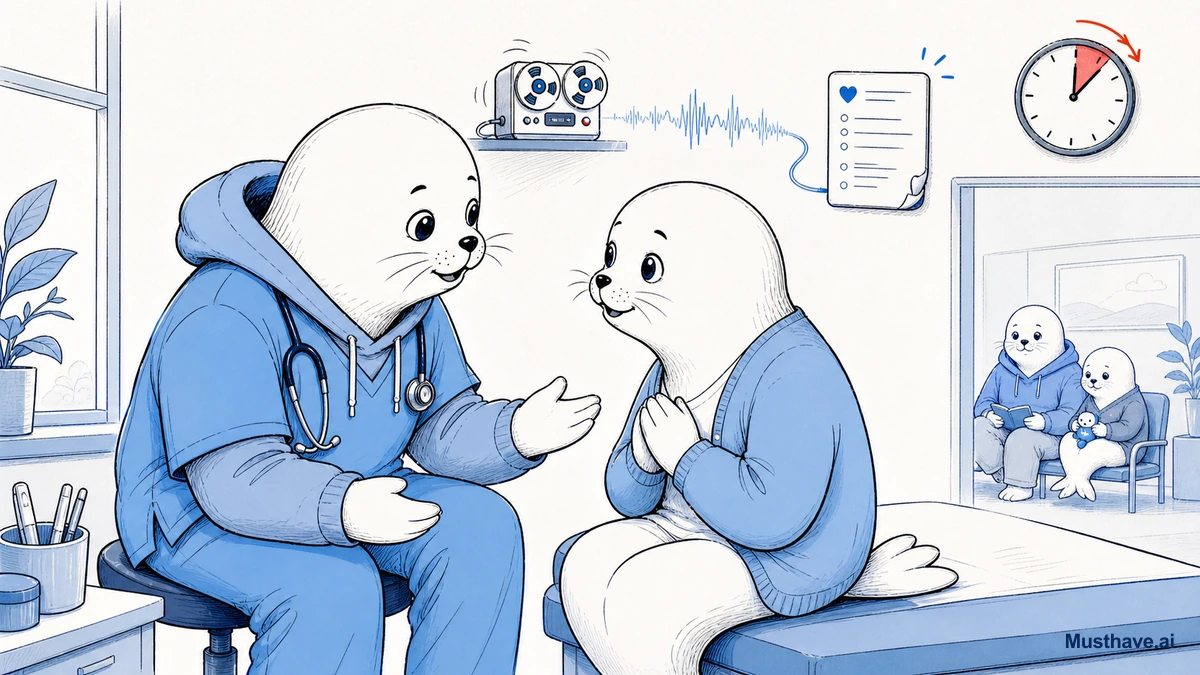
Heidi is an ambient AI scribe. In plain terms: it listens to a clinical conversation (with consent) and writes up the notes, letters, and documentation automatically, so the doctor can look at the patient instead of a keyboard. That’s it. No AGI, no robot surgeon. Just one deeply annoying, time-devouring task, taken off a clinician’s plate.
And crucially, it’s built to be NHS-compliant, which is the hard part in healthcare. Anyone can demo an AI scribe; making one that meets the data and safety requirements of a national health system is where most tools fall down.
This isn’t a pilot, it’s a rollout
Here’s what makes this story matter. This isn’t three doctors trying an app. A framework procurement deal covers tens of thousands of clinicians across multiple acute trusts, with trusts like The Dudley Group, Walsall Healthcare, and The Royal Wolverhampton going live in 2026, and London trusts rolling ambient scribing out to around 20,000 clinicians. That’s real institutional adoption, at scale, in one of the world’s largest health systems.
The numbers that make you stop scrolling
The reported results are the kind of figures that are easy to dismiss as marketing, until they keep showing up across trusts. According to the reporting, Heidi has cut documentation time by around 86% and freed up over 4 million clinician hours, with the vast majority of clinicians reporting a real drop in administrative burden. Some concrete examples make it tangible:
- An emergency consultant reports saving roughly six minutes per consultation.
- One clinic cut its patient-letter backlog from six months down to 14 days.
- An emergency department reportedly cut discharge-letter processing from around nine days to under three minutes.
- A hospital pilot found clinicians saved an average of about 47 minutes per shift.
Treat any single number with healthy caution, these come from reports and vendor-adjacent sources. But the pattern is consistent and the mechanism is obvious: give a doctor back the hour they spent typing, and that hour goes back to patients. Scaled across A&E, that reportedly translates into room for thousands of extra consultations a day.
Why this matters even if you’re not in healthcare
Step back, because there’s a lesson here for anyone trying to use AI well. The most transformative AI in the real world isn’t the tool that promises to replace you. It’s the one that quietly removes the worst, most repetitive part of your job so you can do the part that actually requires a human.
That’s the whole playbook, and it works everywhere. The freelancer who automates their admin. The business owner whose AI handles the intake form. The clinician who gets to make eye contact again. Boring, specific, high-volume tasks (automated with care) is where AI changes lives. Chatbot theater is where it changes headlines.
The responsibility that comes with it
One honest note to close. Ambient AI in healthcare lives or dies on trust, patient consent, data protection, and accuracy that a clinician still checks. The reason Heidi is spreading isn’t just that it saves time; it’s that it was built to meet those requirements first. That’s the order that matters: earn the trust, then scale the time savings. It’s a good template for adopting AI in any field where the stakes are real.
Find your own version of the note-taking tax
The reason Heidi works isn’t the AI, it’s that it removed one specific, universal drain: clinicians typing notes instead of facing patients. The lesson transfers directly. Find the equivalent tax in your own work: the recurring admin task that pulls you away from the thing you’re actually paid for. For a freelancer it might be writing recaps after every call; for a shop owner, answering the same intake questions. Point AI at that (the boring, high-frequency task standing between you and your real work) and you get the same kind of hours back, at your own scale.
What’s the “paperwork” in your own work that you’d hand to an AI scribe tomorrow? Tell me in the comments.
Verification sources and related guides
Primary reference: NHS England ambient-scribing guidance. This is the controlling platform or government guidance. Recheck it before publishing, deploying, or selling because rules and eligibility can change.