There’s a gap between what companies say about Chinese AI models and what they actually run in production. Publicly, it’s a sensitive topic. Privately, plenty of US teams are quietly using open Chinese models because they work, they’re cheap, and you can run them yourself. Let’s talk about why, and what it means for how you choose tools.
Why this is happening at all
Start with the uncomfortable truth that makes the rest make sense: the models got good. In 2026, Chinese open models (DeepSeek, Qwen, Kimi, GLM and peers) hold most of the top open-weight positions, and on some tasks they trade blows with the closed frontier from the big US labs. The old dismissal, “those are just cheap experiments,” has aged badly.
Pair that capability with two things businesses can’t ignore (low cost and open weights) and the quiet adoption explains itself. When a model is nearly as good, a fraction of the price, and something you can host on your own infrastructure, the finance team notices even if the marketing team never mentions it.
Why “quietly”?
So why the hush? Not because anyone’s doing something wrong, because the topic is politically charged, and no company wants a culture-war headline about “using Chinese AI.” So the pattern tends to be pragmatic and low-profile: teams test open Chinese families on non-sensitive workloads, measure the cost savings, and deploy where it makes sense without issuing a press release about it.
Here’s my take: you don’t have to make your tool choices a political identity in either direction. You do have to understand the tradeoffs honestly, because “cheaper and open” is only a win if it actually serves your work and your obligations.
The advantages that drive it
- Cost: dramatically lower price per token, which compounds fast at real volume.
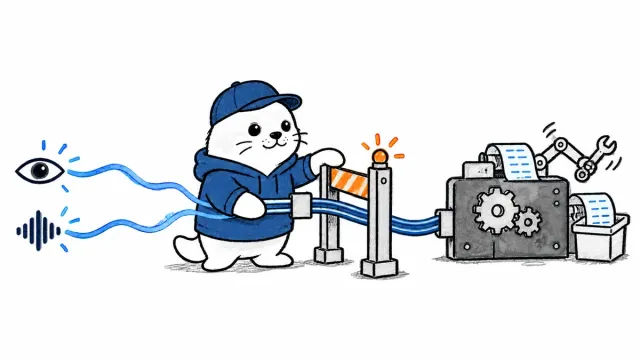
- Control: open weights mean you can self-host, so sensitive data never leaves your environment.
- Capability: strong reasoning, coding, and long-context performance, no longer a big step down.
- No vendor lock-in: an open model you host can’t be discontinued or price-hiked out from under you.
The risks adults actually manage
Now the other side, because this isn’t a free lunch. Data residency matters, know where your data physically lives and what law governs it. Content filters differ by region and can surprise you. Self-hosting carries a genuine ops burden; “free model” isn’t “free to run.” And export-control and policy noise can change access or legality overnight, so don’t build your only pipeline on a single foreign dependency you can’t swap out.
For a small business or freelancer, the smart version of this is simple: a trusted, compliant model for sensitive client work, and a cheap, capable Chinese option for drafts, experiments, and high-volume grunt work. You capture the savings without betting the whole operation on one flag.
What it means for you
The big-picture takeaway is liberating if you let it be. The model market is now genuinely global and fiercely competitive, which means prices keep falling and options keep multiplying, and that’s good for you, the buyer. The losers are people who pick tools tribally. The winners test by task, read the license, keep a backup, and let outcomes decide.
So don’t get swept up in the politics or the hype. Run your five real prompts across a US default and a Chinese open option, score quality, speed, cost, and trust, and make the call your work justifies. That discipline (not loyalty to any logo or flag) is how you turn this whole shift into your advantage.
The data rule that makes it safe
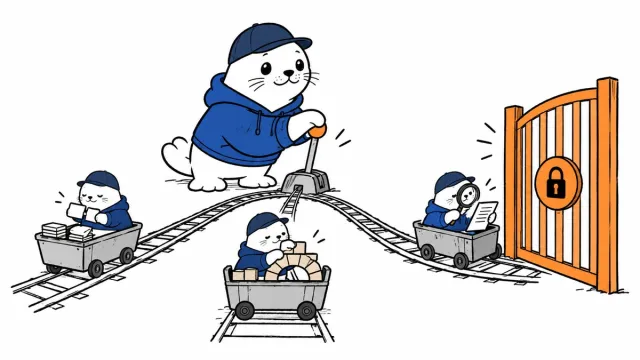
If you want to use a cheap open model in a business without regret, the whole game is one rule: segment your data by sensitivity before you route it. Draft blog posts, brainstorms, and public research can go to the cost-efficient option freely. Anything with client details, personal data, or trade secrets stays on a vetted, compliant model, or a self-hosted one where the data never leaves your environment. Write that split down once, and the “should I use a Chinese model?” question answers itself per task. It’s not about the flag on the model; it’s about where each kind of data is allowed to go.
Would you run a Chinese open model in your business, and does the “quiet” part bother you, or is it just good economics? Tell me in the comments.
Verification sources and related guides
Primary reference: Qwen official GitHub repository. This is an official provider source. Treat performance, adoption, and product claims as company-reported unless the article identifies an independent check.