

Cloudflare Workflows Can Now Queue Runs Behind a Per-Workflow Cap
Cloudflare now lets developers cap concurrent instances per Workflow. Excess instances queue, and the limit must stay in the deployment configuration.
New models, tools and practical changes. Read the news, then explore what you can use.
Cloudflare now lets developers cap concurrent instances per Workflow. Excess instances queue, and the limit must stay in the deployment configuration.
Cloudflare’s experimental Codex example preserves sessions and completed steps across restarts. Interrupted steps can run again, so external writes need safeguards.
Cloudflare moved the cutoff for 24 Workers AI models to November 20, 2026. Check the affected model IDs and plan for HTTP 410 errors…
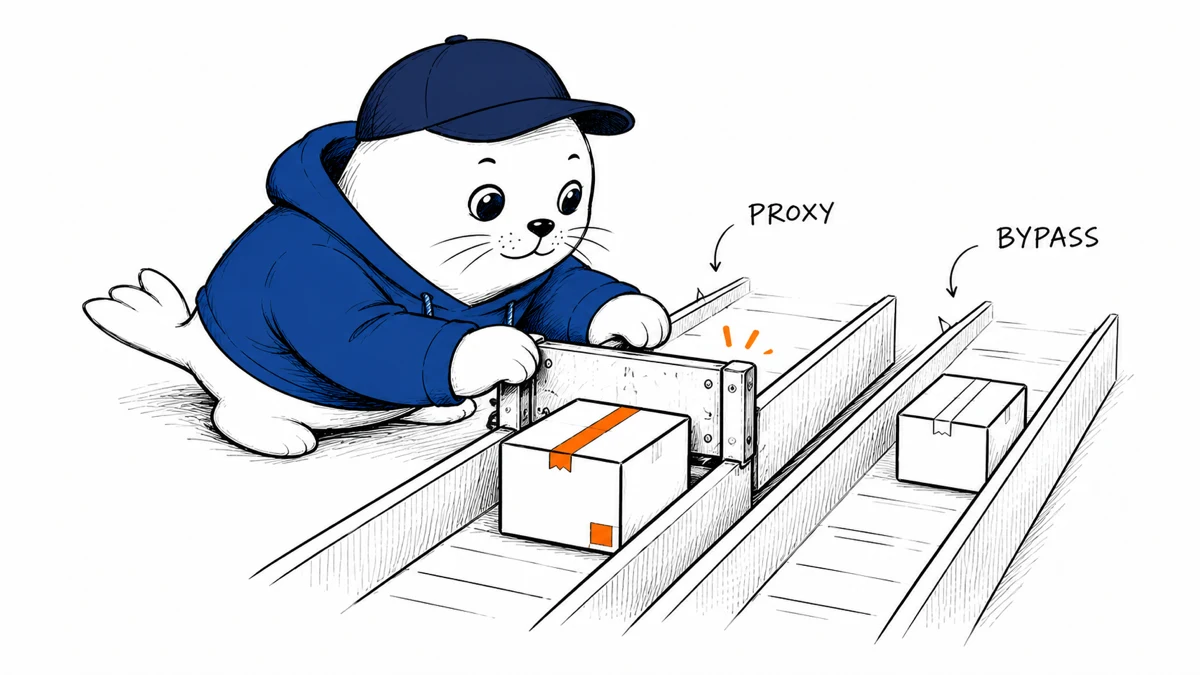
Cloudflare’s beta model aliases combine a stable request name with a configurable model pool. Review fallback, Smart routing and configuration limits.
Cloudflare adds personal-agent traffic views and three access choices. Account-level identity requires its separate early-access protection service.
Cloudflare’s Pi 1.5 integration batches persistence and changes session APIs. Existing Pi 1.5 conversations cannot be reopened by Pi 1.4.
Cloudflare announces Brotli and Next.js detections with Log defaults. Check overrides, legitimate image traffic and the application’s runtime patch separately.
Cloudflare createAI replaces two deprecated provider packages. Check model routes, API credentials, fallback behavior and the separate AI Search migration.
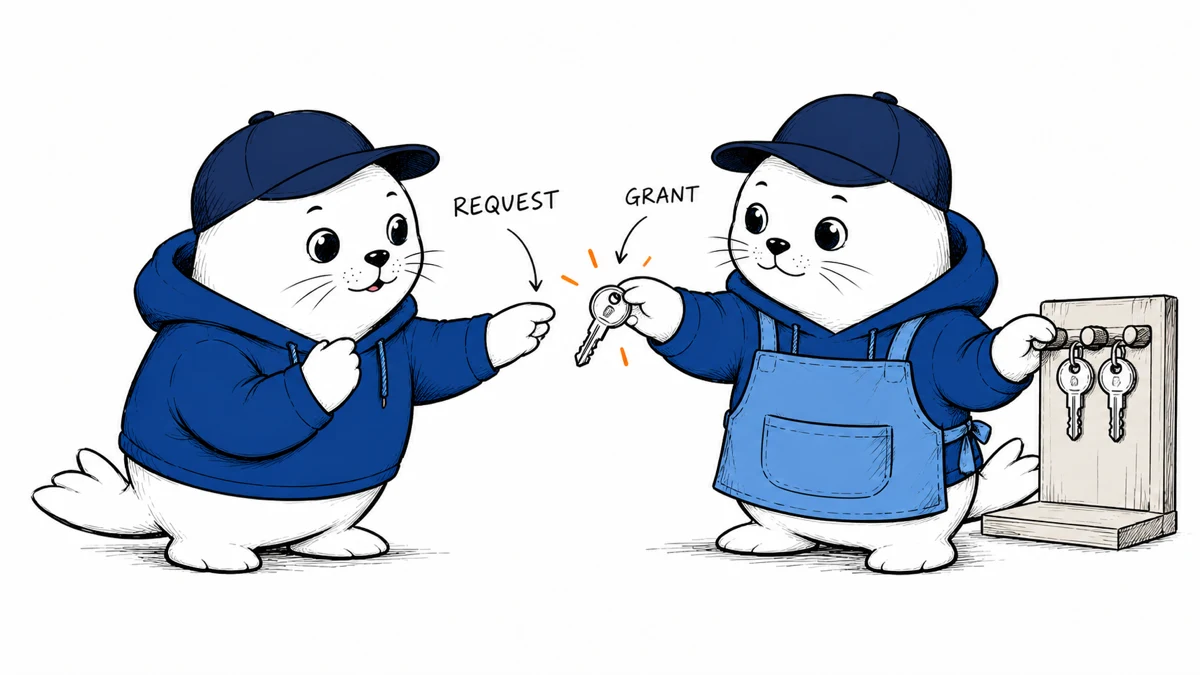
Cloudflare’s API MCP server supports step-up authorization. Start with minimal scopes, then review the extra access requested for a particular tool operation.
Cloudflare updates Clairic and adds Clairic-flash with open weights and PDFs. Compare page limits, extraction evidence, and the main model’s December price change.
Cloudflare’s Cloud Workload Security beta checks routed cloud API requests. Review enforcement, unmatched-request defaults and error handling before relying on it.
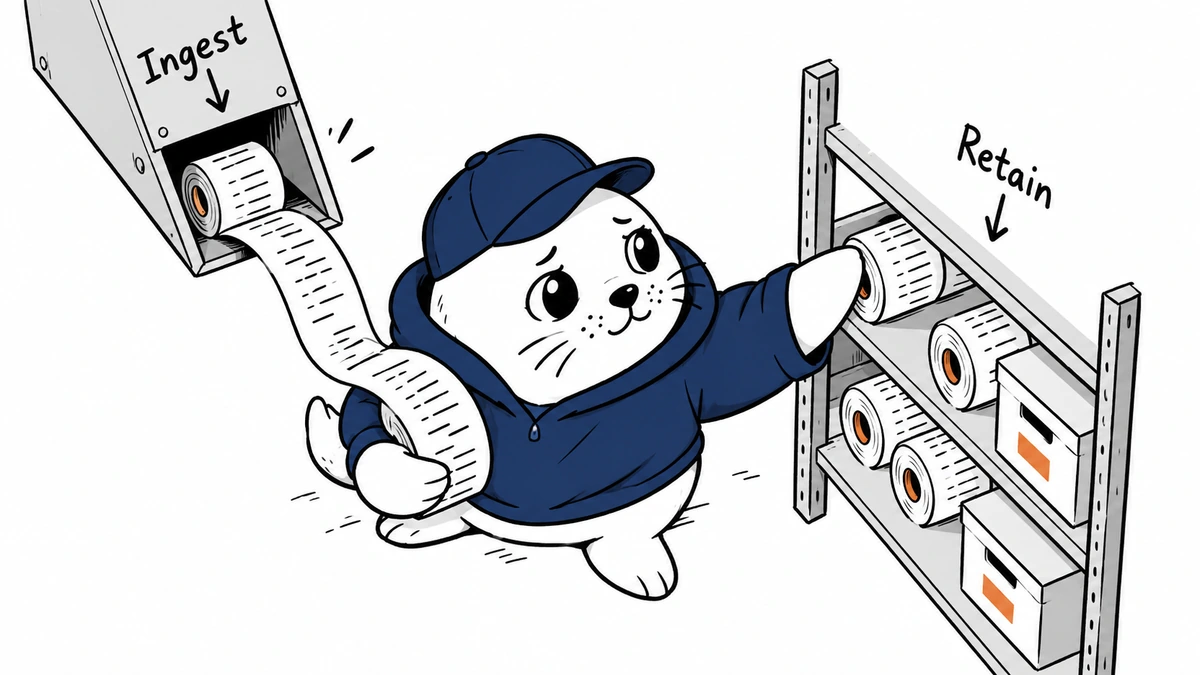
Cloudflare changes Observability pricing on December 1. Compare ingestion and storage allowances, an AI logging estimate and checks for the transition.