Several agents working for one developer can turn a single change into a crowd of branches, pushes, and CI fetches.
OpenAI described Pando, its internal Git repository backend, in a November 2 engineering post. The company says Pando now supports development in its monorepo while preserving the Git protocol and familiar client workflow.
Agent work multiplies repository traffic
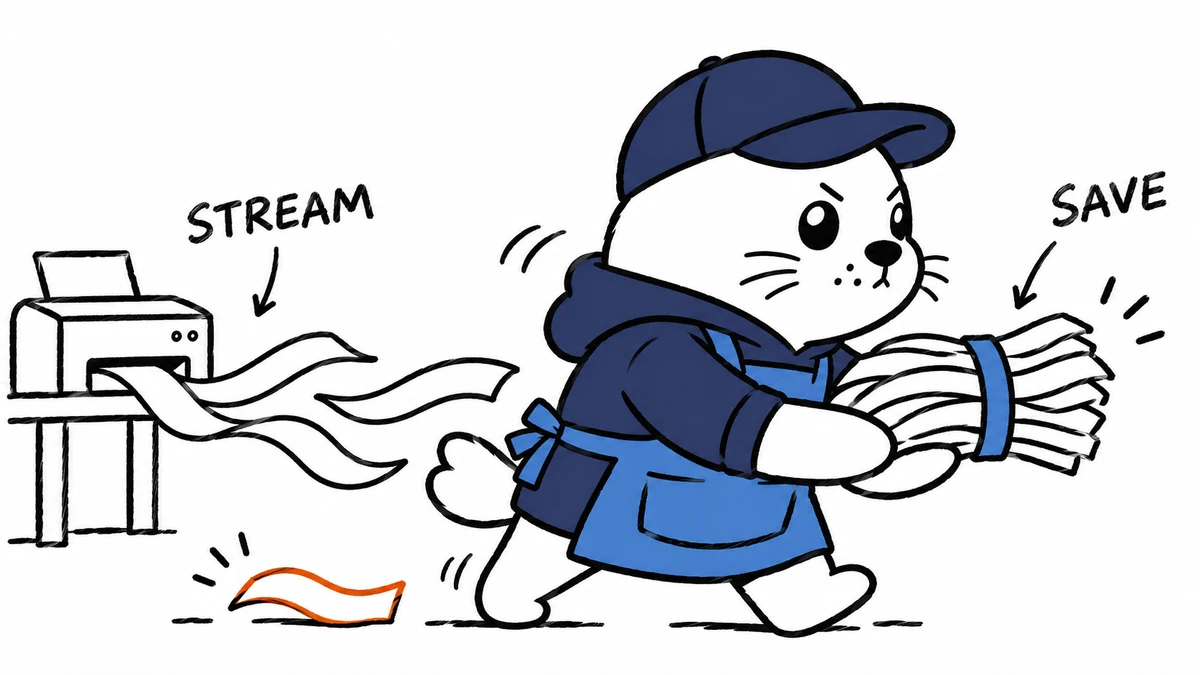
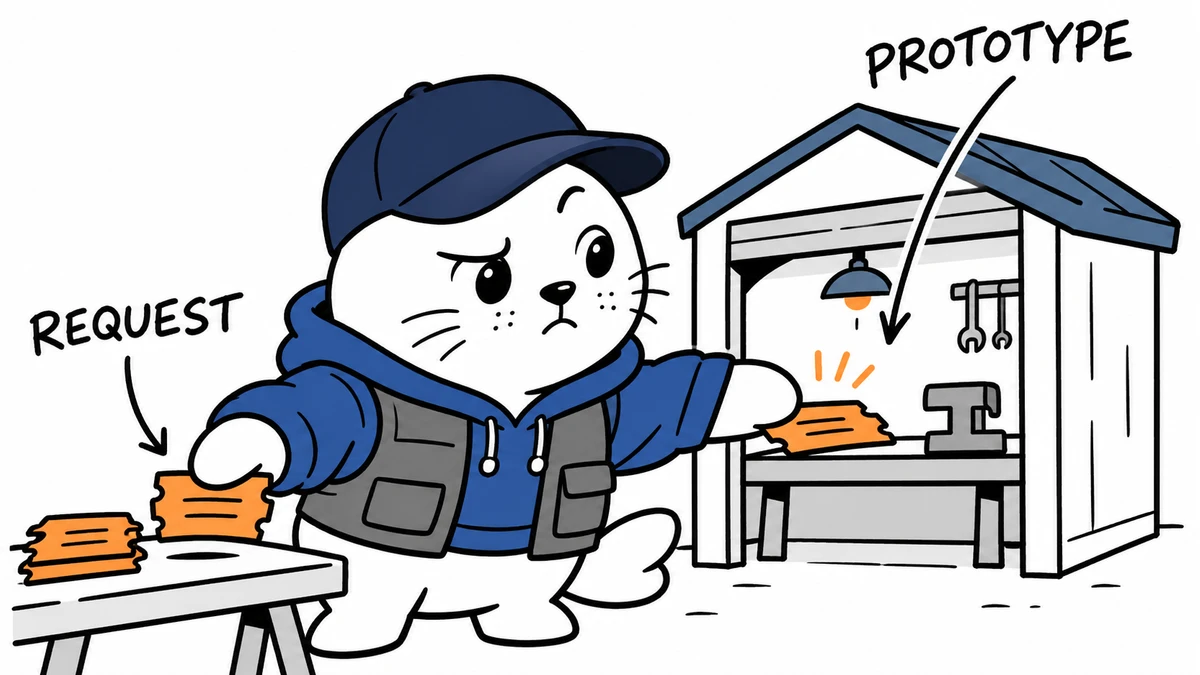
An agent can prepare a change while another works on a different branch. Each push can start continuous-integration jobs that fetch the same history. More parallel work therefore increases pressure on both writes and reads.
OpenAI reports that Pando reduced median push latency by nearly five times and serves nearly a petabyte of Git data per day. These are the company’s production measurements. We have not reproduced them or compared Pando with another host.
Independent branches can proceed separately
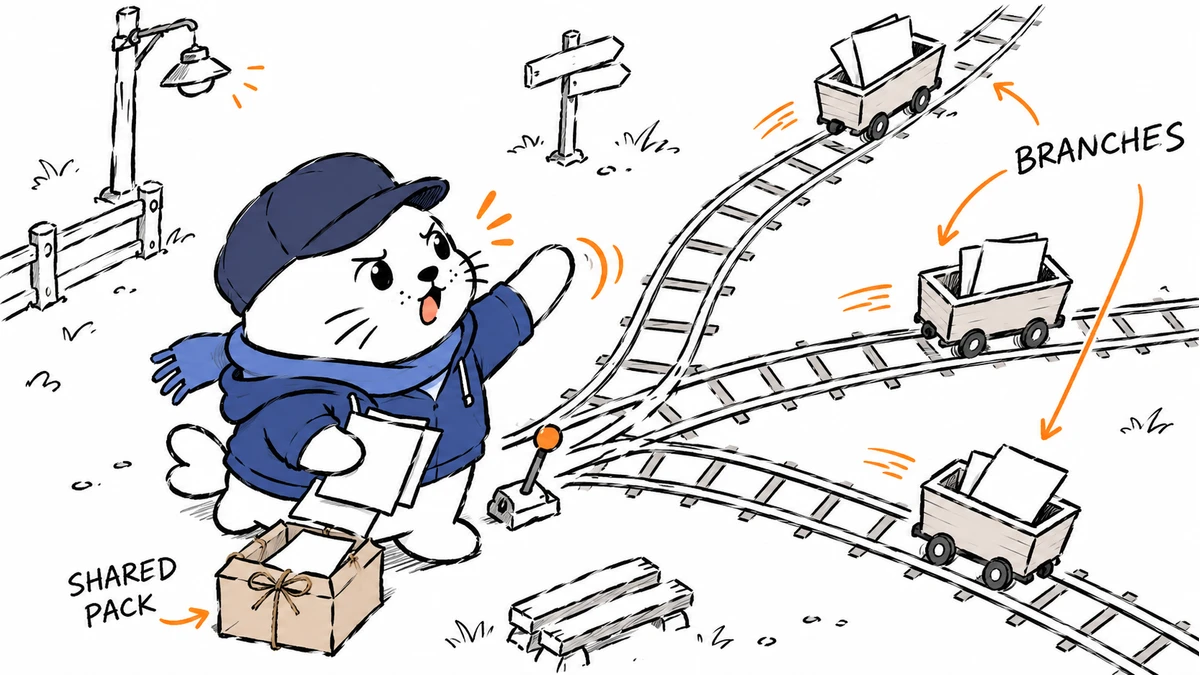
The design coordinates updates for each branch independently. A write to one branch can proceed without waiting for an unrelated branch update. Readers receive the history needed for the revision they fetch.
There is a tradeoff: a reader examining several branches can see them at different points in time. A Git-compatible interface does not imply one globally synchronized view of every branch.
A shared history pack reduces repeated server work
Pando also reuses packfiles, Git’s compressed collections of objects, across fetches. OpenAI describes serving the same bytes to many clients instead of constructing a new pack for each client. A client may receive some objects it already has.
That exchanges a degree of transfer precision for reusable server work and caching. For a team investigating its own bottleneck, the useful distinction is whether time goes into coordinating writes, constructing packs, or transferring bytes.
Measure the repository path before replacing it
A practical diagnosis could separate four observations: time waiting to push, time preparing a fetch, transfer time, and time waiting for CI. An agent task that spends minutes waiting for CI has a different bottleneck from one stalled before its branch reaches the server.
That is a proposed measurement framework. It does not require Pando and does not establish that a small team needs a custom Git backend. OpenAI’s post explains an internal system rather than announcing a hosted product readers can buy or install.
Our Cloud Agents report covers how agent changes reach existing repositories. Where does parallel agent work create the longest queue in your development process?

Abdessalam Alaoui
I'm Abdessalam Alaoui, founder of Musthave.AI. I write practical guides to AI models, tools, generative media, and ways real people make money with this stuff. No press-release fluff. 20+ years shipping digital products; you'll also find my work around HowTik, Yumasty, and IncomeHelpful.