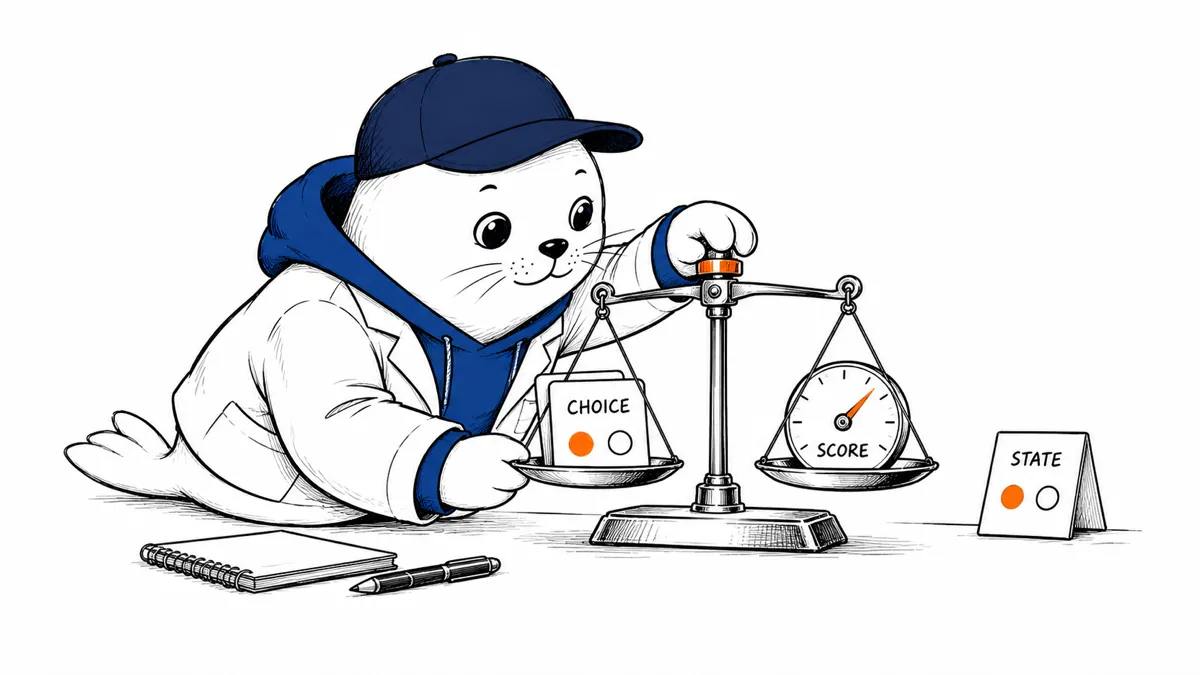
The same model family can have different requirements for local runtime and hosted service. Record the exact tag and configuration before comparing them.
October 20 update: an Ollama deployment choice
Ollama’s October 19 announcement adds another access path for Cloudflare’s 27B Clef model. The model library documents local clef use and the clef:cloud route.
The library requires Ollama 0.35.1 or later for local use and 0.40.6 or later for cloud access. The cloud path requires a paid plan or usage credits; it shouldn’t be described as a permanent free service.
Treat each tag as a separate configuration
The library’s local tag cards currently show 256K context, while its cloud tag and a README highlight show 64K. That’s why you should check the selected artifact and endpoint, rather than assign one universal limit to every deployment.
Save the exact tag, runtime version, context setting, and input types with the result. A download size also differs from the full runtime memory needed at a chosen context and concurrency.
Understand what the probability describes
Clef evaluates typed questions over supplied text or images. The library documents a System One interface with choice, yes-or-no, and score outputs. It lists the model under Apache 2.0.
Its confidence field describes how concentrated the model’s probabilities are. It is not a direct guarantee that the chosen answer is correct. Evaluate the meaning of that signal on representative cases before using it to skip review.
Use known decisions to choose an operating point
For support-ticket routing, define the allowed destinations and label a small evaluation set. Include ambiguous tickets and requests outside the supported categories.
- Keep the same questions and option descriptions across configurations.
- Compare correct destinations and costly routing mistakes.
- Inspect ambiguous cases separately from easy examples.
- Choose a review threshold using held-out results.
- Count latency, hosting, and human review costs together.
Ollama’s benchmark tables attribute results to Cloudflare’s evaluations. They don’t provide a new, independent comparison. We have not run a local or hosted Clef benchmark for this update.
The Clairic preview guide covers extraction of values beyond fixed choice sets. Our agent cost guide discusses task-level costs.
Read the sources and plan your next step
- Ollama announcement and attributed benchmark tables
- Model tags, runtime requirements, interface and cloud terms
Which wrong decision is expensive enough that it should always go to review?
Checked October 20, 2026. This is source-based reporting and analysis; proposed checks are not hands-on test results.