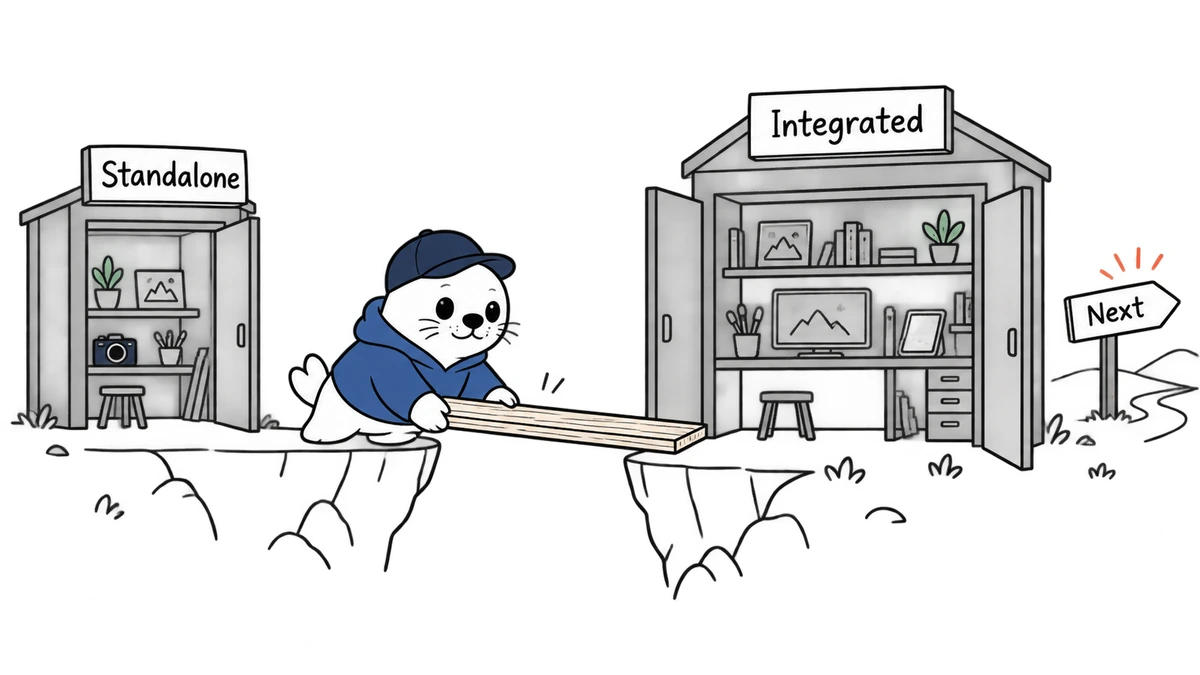
Adobe has completed its acquisition of Topaz Labs. The immediate news is not that Topaz disappears into Creative Cloud: Adobe says the Topaz brand, applications, models and support will continue while the teams work on deeper integration.
What closed on September 23
The Adobe Topaz Labs acquisition moved from an announced transaction to a completed acquisition on September 23, 2026. Adobe first announced its intent to buy Topaz Labs in June, subject to regulatory approval and closing conditions. The companies have not disclosed the purchase price.
Topaz CEO Eric Yang is joining Adobe’s Digital Video and Audio organization together with the Topaz team. That organizational placement signals that enhancement technology is relevant beyond still images, even though individual integrations must be verified product by product.
What stays the same for Topaz customers
- Topaz remains a standalone brand.
- Its existing applications continue as separate products.
- Topaz models continue to be developed.
- Customer support continues for the standalone product line.
- No public transaction price was disclosed.
Those commitments matter for professionals who built paid workflows around Topaz Photo, Video or related models. Continued branding does not guarantee that pricing, licenses, hardware requirements or release cadence will never change. It does mean the completion announcement does not describe an immediate shutdown or forced migration.
What Adobe already says is integrated
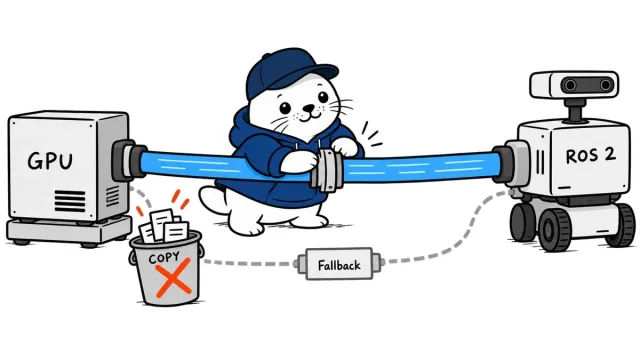
Adobe says Topaz technology is already available through Firefly and Photoshop. The announcement also highlights Neurostream, Topaz’s inference technology for running enhancement models on-device or in the cloud. Local and cloud paths can serve different needs: predictable latency and data control on one side, scalable compute and easier deployment on the other.
The exact model, processing location and commercial terms should be checked at the feature level. A general statement that technology is present in a product does not mean every Topaz model is included in every Adobe plan.
Completed transaction versus future product promise
| Claim | Status on September 23 | Safe interpretation |
|---|---|---|
| Adobe owns Topaz Labs | Completed | The transaction has closed |
| Topaz apps and brand continue | Current commitment | Standalone products remain available |
| Topaz technology appears in Firefly and Photoshop | Current integration | Some technology is already used in Adobe workflows |
| More Creative Cloud workflows will use Topaz technology | Future-looking | Scope and schedule are not yet fully documented |
| Acquisition price | Not disclosed | Do not estimate or repeat an unsupported figure |
Why on-device enhancement could matter
Image and video enhancement often processes large files and repeated frames. Moving every frame to a remote service can add upload time, bandwidth cost and privacy questions. On-device inference can reduce those constraints when the local hardware supports the model. Cloud inference can make larger models available without workstation upgrades.
A useful integration would let users know which path is active, what leaves the device, whether a fallback occurs and how credits or usage are calculated. Those operational details are more important than placing another AI button in the interface.
A migration checklist for creative teams
- Inventory Topaz applications, versions, presets and automation currently used in production.
- Record licenses, renewal dates and the hardware each workflow requires.
- Keep original files and export settings outside any one vendor library.
- Compare the standalone output with the related Adobe feature on representative media.
- Check where processing occurs and whether a cloud fallback changes privacy or cost.
- Do not remove the standalone workflow until quality, speed and repeatability are verified.
Where this fits in Adobe’s wider AI strategy
Adobe has been consolidating generative and editing workflows around Firefly and Creative Cloud. The Firefly unified workspace guide explains that direction, while the Firefly video background-removal report shows why beta labels and full-clip limits still matter in production.
Topaz brings a different strength: restoration, upscaling and enhancement technology designed around professional media quality. Combining generation with enhancement can shorten workflows, but only if Adobe preserves controllable settings, export consistency and clear processing boundaries.
The practical verdict
The acquisition is complete, Topaz remains standalone and some integration already exists. Everything beyond those facts should be treated as a roadmap until Adobe publishes product-specific availability, pricing and technical documentation.
For current customers, the sensible response is continuity plus measurement: keep the working Topaz pipeline, test Adobe integrations on real assets and move only when output quality, processing location, licensing and automation are understood.
Primary sources
Checked September 23, 2026. Adobe has not disclosed the transaction value. Future Creative Cloud expansion remains company-reported and should be verified feature by feature.