
“Research as a service” sounds like something an AI could fully automate, which is exactly why most people who try it fail. If your briefs read like a chatbot generated them, nobody will pay premium rates for long. The opportunity is real, but only if you understand what clients are actually buying.
What clients are actually paying for
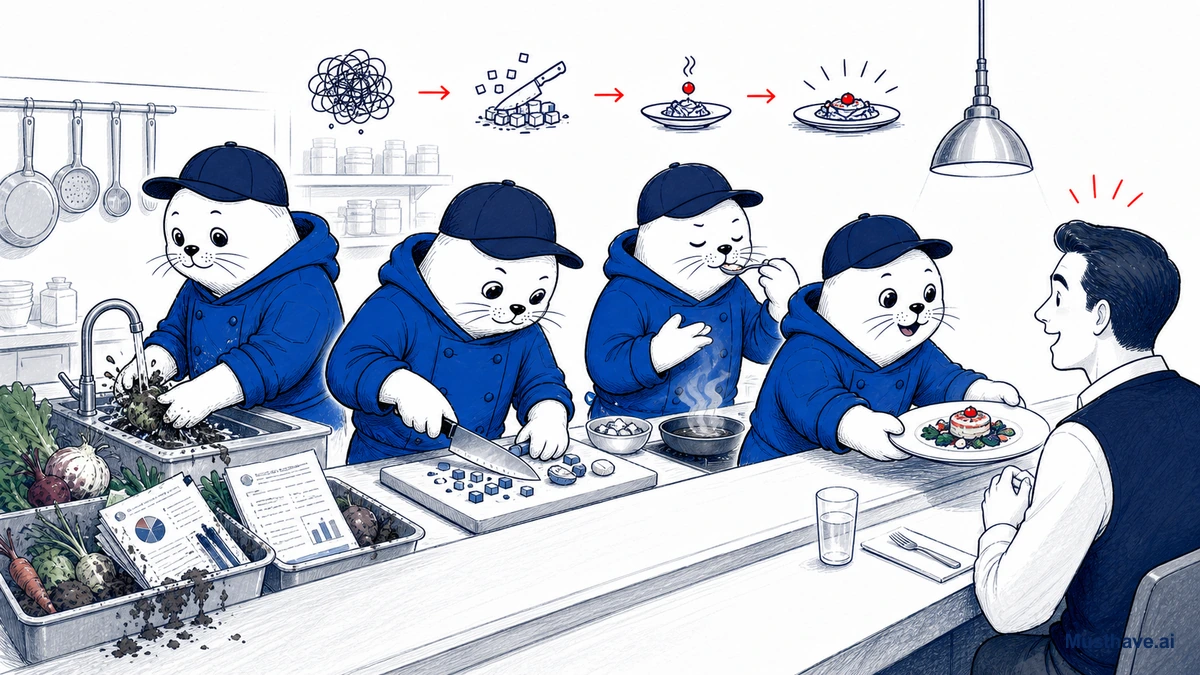
Let’s be clear about the offer first. Nobody wakes up wanting “a research brief.” They want a decision made easier: which vendor to choose, whether a market is worth entering, what their competitors are doing, what the data says they should do next. AI multiplies your ability to gather and organize information, but it does not make the judgment call. That judgment is the thing you’re selling.
So the product isn’t the summary. It’s the synthesis: a clear point of view, a recommendation, and the reasoning behind it, delivered by someone who took responsibility for being right. That’s what justifies the invoice.
Where AI does the heavy lifting (and where it can’t)
Here’s the healthy division of labor for this kind of service.
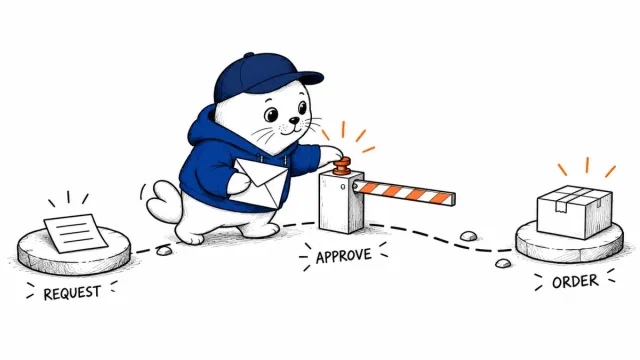
- Hand to AI: gathering sources, summarizing long documents, organizing findings into themes, drafting the first structure, generating the questions worth investigating.
- Keep human: verifying every factual claim, weighing conflicting evidence, forming the actual recommendation, and writing the parts that carry your judgment and voice.
Treat the AI as a fast research assistant who reads everything and understands nothing. Brilliant for volume, useless as the final authority. The moment you skip the human verification step, you’re one hallucinated statistic away from destroying your credibility with a client.
How to make it not sound like a bot
This is the make-or-break skill, so let me be specific. AI-generated research has tells: hedged non-conclusions, generic framing, and that flat, opinion-free tone. Strip all of it out.
- Lead with the answer. Open every brief with a clear recommendation, not a throat-clearing summary.
- Take a position. “Based on the evidence, I’d choose X because Y” is worth paying for. “There are many factors to consider” is not.
- Add what only you can add. Context from your experience, a caveat the data misses, a “watch out for this” that shows you actually thought about it.
- Cite real sources. Verifiable references build the trust that makes clients renew.
Productize it so it actually sells
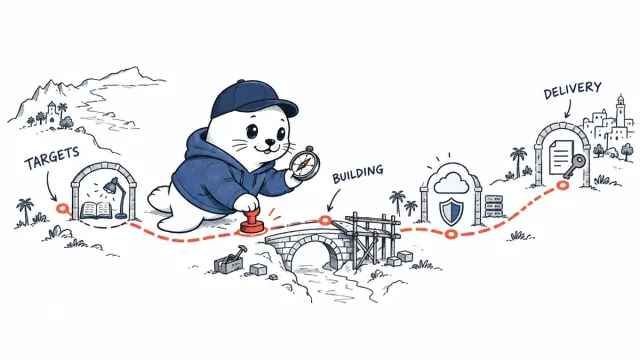
A vague “I’ll research things for you” is hard to buy. A productized service is easy. Define a fixed scope (e.g., “a competitor analysis of up to five rivals”), a fixed format (a two-page brief with a one-paragraph recommendation up top), and a fixed turnaround (48 hours). Clear inputs, clear outputs, predictable delivery, that’s what turns a fuzzy skill into a repeatable offer people can say yes to quickly.
Price on the value of the decision, not the hours you spent. A brief that saves a client a $20,000 mistake is worth far more than “three hours of research.”
The one rule that protects the whole business
Confidentiality and accuracy are everything here. Protect client data, don’t paste sensitive information into random free tools, and know where your inputs go. And never ship a claim you haven’t verified. In research-as-a-service, your reputation is the product; one confidently-wrong brief undoes months of good work.
Get this right and it’s a genuinely strong lane: AI gives you the leverage to deliver fast, and your judgment gives clients a reason to pay you instead of doing it themselves with the same tools. Sell the thinking, not the typing.
The one-page brief clients actually pay for
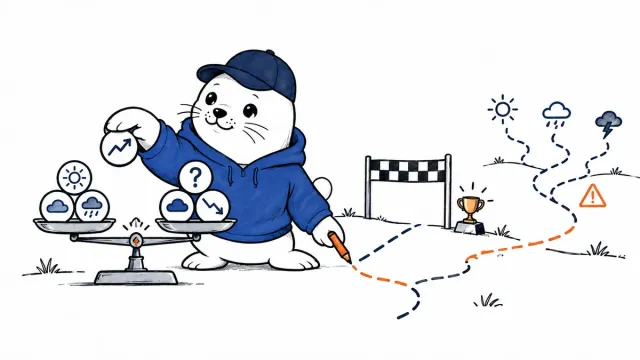
Here’s the exact structure that makes a research brief feel worth its price, put it on a single page, in this order. Top: a one-paragraph recommendation, stated plainly (“Based on the evidence, do X”). Next: three to five bullets of the reasoning behind it. Then: the key risks or caveats, so the client trusts you’re not overselling. Finally: your sources, cited so they can verify. Notice the recommendation comes first, not buried at the end. Clients aren’t paying for a data dump; they’re paying to have the decision made easier, so lead with the decision.
What kind of research would your clients or audience actually pay for? Tell me the niche in the comments and I’ll suggest how I’d productize it.
Verification sources and related guides
Primary reference: US Small Business Administration market-research guide. This is the controlling platform or government guidance. Recheck it before publishing, deploying, or selling because rules and eligibility can change.