When a frontier AI lab hands something valuable to teachers for free, two things are true at once: it’s a genuinely useful gift, and it’s a very smart business move. Anthropic’s new Claude for Teachers is both, and pretending otherwise helps nobody. Here’s the honest read.
What Anthropic actually announced
On July 14, 2026, Anthropic launched Claude for Teachers, a free plan giving verified US K-12 educators a full year of Claude Pro-level access. This isn’t a stripped-down trial. It’s the premium tier, aimed at individual classroom teachers, coaches, librarians, and other certificated staff.
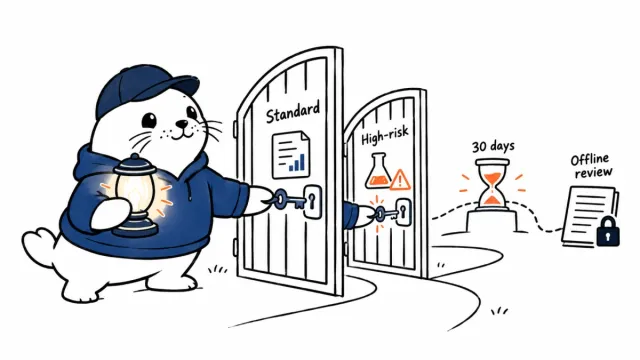
And it’s built for the job, not just rebranded. The plan includes a teaching-skills library and a “Learning Commons” connector mapped to academic standards in all 50 states, plus Claude Code and Claude Cowork, so Claude can carry a longer task forward on its own instead of stopping at a single reply. To get it, teachers verify with a school email and proof of teaching status (a license, ID, or contract), with review taking about a day. Sign up by June 30, 2027 and you get the full free year.
Why this is a genuinely smart move
Let me put on my builder’s hat, because the strategy here is worth understanding. Giving teachers free premium access is one of the best distribution plays in the book. Teachers are trusted, they’re influential, and they introduce tools to the next generation of users at exactly the age when habits form. A student who learns to think alongside Claude in tenth grade is a Claude user for a long time.
It’s also a positioning play against ChatGPT and Gemini in education, a market everyone wants. So yes, it’s generous, and it’s shrewd. Those aren’t in conflict. The best win-wins usually look exactly like this.
The responsibility half of the headline
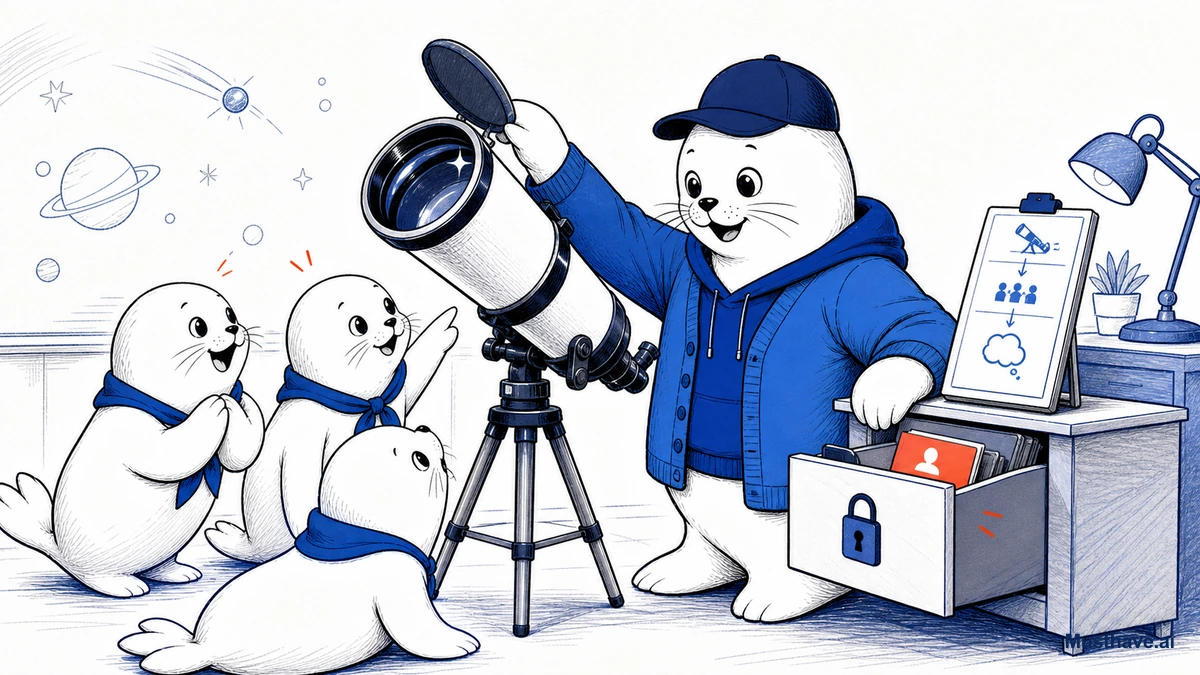
Now the part that deserves more than a shrug, because “free” and “AI” and “children” in one sentence should make any thoughtful person slow down. To Anthropic’s credit, the privacy terms are the strongest part of the announcement: Claude for Teachers runs on K-12-specific terms that block model training on teacher inputs and include a FERPA-aligned data processing agreement. That’s the right baseline for student data, and it’s genuinely better than the fine print on a lot of free tools.
But guardrails on paper aren’t the same as good habits in a classroom. Not all critics are sold, some education experts have raised concerns about rushing powerful AI into K-12 without more evidence on learning outcomes and over-reliance. Those concerns are fair. A tool that writes the lesson plan is a gift; a tool that quietly writes the student’s thinking is a problem.
My take, as someone who builds with these tools
Here’s where I land. This is a good thing that needs adult supervision, literally. For teachers, a free year of premium AI is real leverage: faster lesson planning, differentiated materials, feedback drafts, admin drudgery handled. Grab it. It’s a legitimately strong offer with better privacy terms than most.
The responsibility is to use it as a teaching assistant, not a teaching replacement, and to keep student data on the rails those K-12 terms promise. As Anthropic itself framed it, they hope to keep offering this free beyond year one. That’s a bet that classrooms become durable Claude users. Whether that’s good for kids depends less on the model and more on how the humans in the room choose to use it.
What a teacher should (and shouldn’t) hand to Claude
To turn that free year into real time back, here’s where it pays off fastest and where to stop. Hand it: first-draft lesson plans, differentiated versions of the same worksheet for different reading levels, rubrics, and drafts of routine parent emails. Keep it human: the actual assessment of a student’s thinking, anything involving individual student data beyond what the terms allow, and the final call on a grade. The rule of thumb, let it write the scaffolding and the drudgery, never the judgment. That’s the line between a teaching assistant and a teaching replacement.
If you’re a teacher, would you bring premium AI into your classroom on these terms, or does the student-data question still give you pause? Tell me in the comments.
Verification sources and related guides
Primary reference: Anthropic announcement for Claude for Teachers. This is an official provider source. Treat performance, adoption, and product claims as company-reported unless the article identifies an independent check.