
The clock starts when the maintainer receives the report. A patch can start a second one.
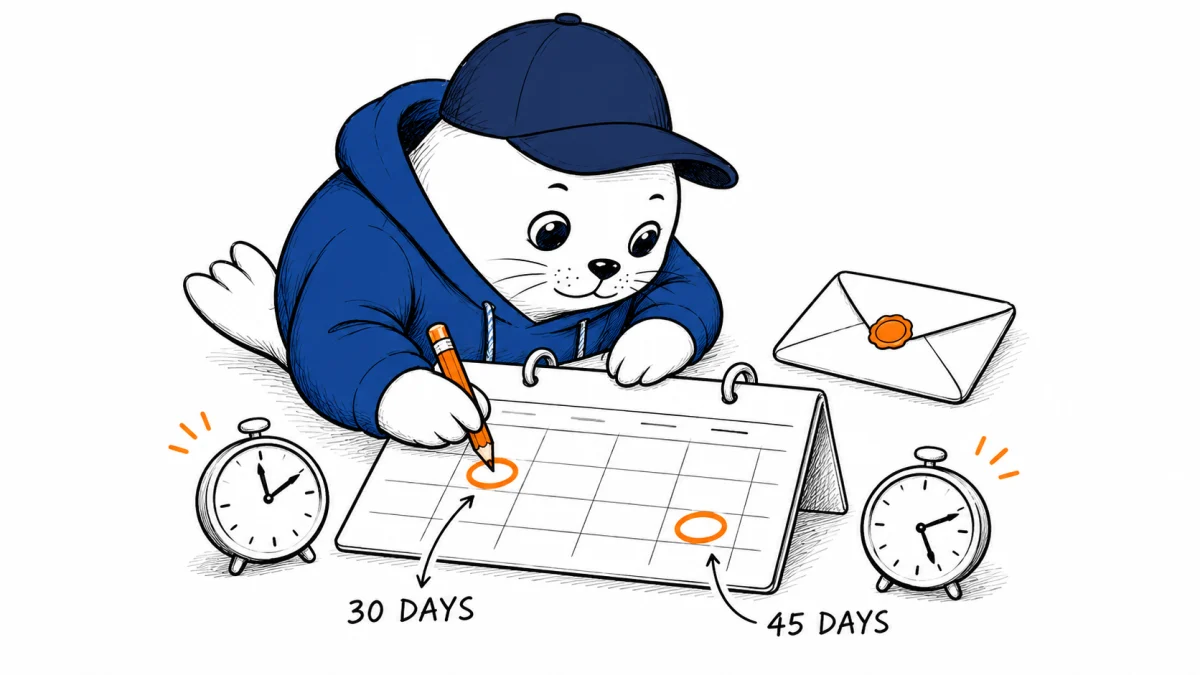
Anthropic announced on November 16 that it will shorten its default coordinated disclosure windows. For in-scope reports sent from January 1, 2027, high and critical issues get 30 days. Other severities get 45 days. Reports already underway retain their deadlines. The announcement ties the change to how quickly AI can find vulnerabilities and help develop fixes.
Track the report, escalation, and patch dates
Anthropic says it will aim to involve an outside vulnerability coordinator after 15 days if a maintainer has not responded. It also plans a separate 30-day interval between patch availability and full technical details, down from 45. Track that interval from the actual patch date. The ordinary report window starts earlier, so ticketing both dates is more useful than adding the two deadlines together.
Its coordinated disclosure policy describes how its researchers confirm and report findings. The new deadlines exclude AI-discovered issues that lack human review. Anthropic keeps its existing seven-day window for issues under active exploitation and can work with vendors on timing for fixes that are difficult to deploy.
One report date produces three calendar dates
Google Project Zero announced its own policy on November 13. It removed its previous standard patch rollout interval and began a flat 90-day schedule. The default drops to 60 days on February 2, 2027, then to 30 days on January 3, 2028. Its separate rules for active exploitation still apply.
| Hypothetical report received January 4, 2027 | Default interval | Calendar date |
|---|---|---|
| Anthropic, high severity | 30 days | February 3 |
| Anthropic, other severity | 45 days | February 18 |
| Google Project Zero, ordinary case | 90 days | April 4 |
These are three alternatives for a fictional report. Add the stated interval to January 4 to reproduce each date. An actual ticket should use the deadline the reporting organization confirms and reflect any applicable exceptions. If the maintainer never acknowledges the hypothetical Anthropic report, +15 days gives January 19 as the escalation target. An acknowledgment in the first week can close that administrative gap while the engineering work continues.
Keep patch development and patch delivery on the same ticket
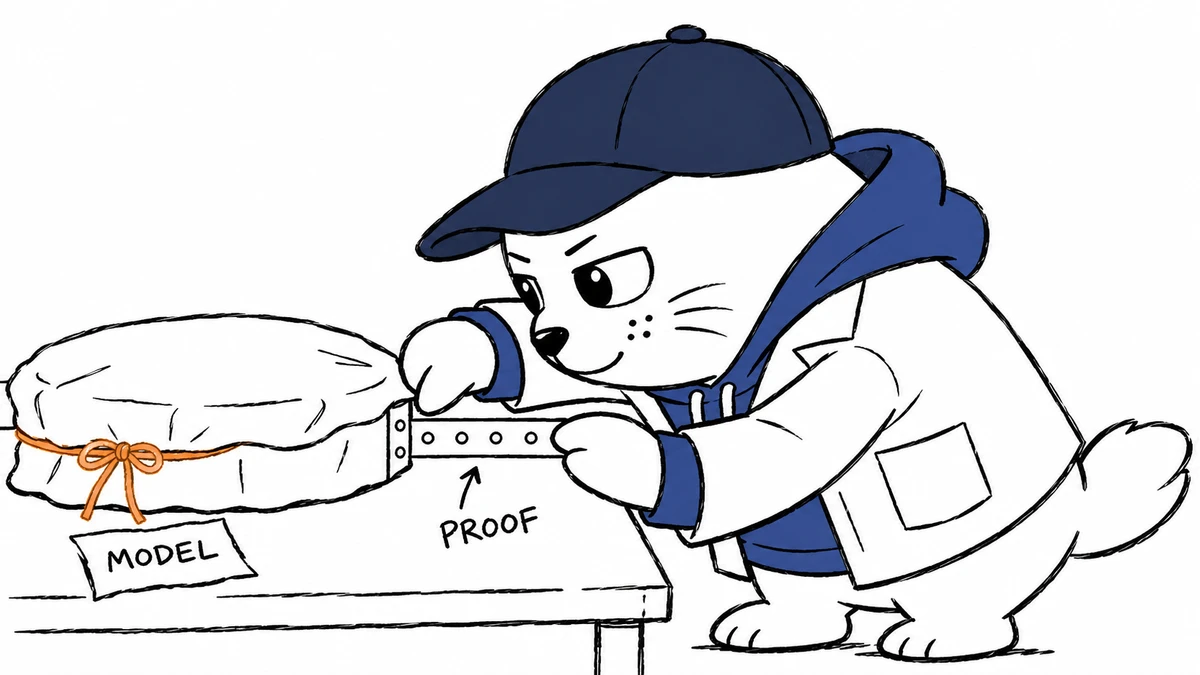
A volunteer library team might merge a fix on February 1 but need days to publish updated packages. Its largest downstream users may take longer to upgrade. Record when the fixed package becomes installable and when downstream users receive instructions. Those are useful milestones even where a reporter has removed a fixed interval for rolling out patches.
MustHave’s coverage of Google’s automated exploitation report explains the other side of this schedule. A change in disclosure policy sets expectations between reporter and maintainer. The time from a fix reaching a registry to users installing it remains a deployment problem.

Abdessalam Alaoui
I'm Abdessalam Alaoui, founder of Musthave.AI. I write practical guides to AI models, tools, generative media.