Spotify’s AI remix tool is not launching as a free-for-all. The company has now built a licensing route for independent labels, with artist choice, credit, compensation, and a link back to the original recording. That is a better starting point than “generate first, negotiate later.” It is not yet a complete product.
On August 4, Spotify and Merlin announced an agreement covering Spotify’s upcoming fan-made covers and remix feature. Labels participating through Merlin can choose whether their artists take part. Spotify says the tool will be a paid add-on and that resulting creations will credit and compensate participating artists while sending listeners back to the original work.
The interesting part is not that Spotify found another place to put AI. It is that the company is trying to turn consent and payment into product architecture before the public preview arrives.
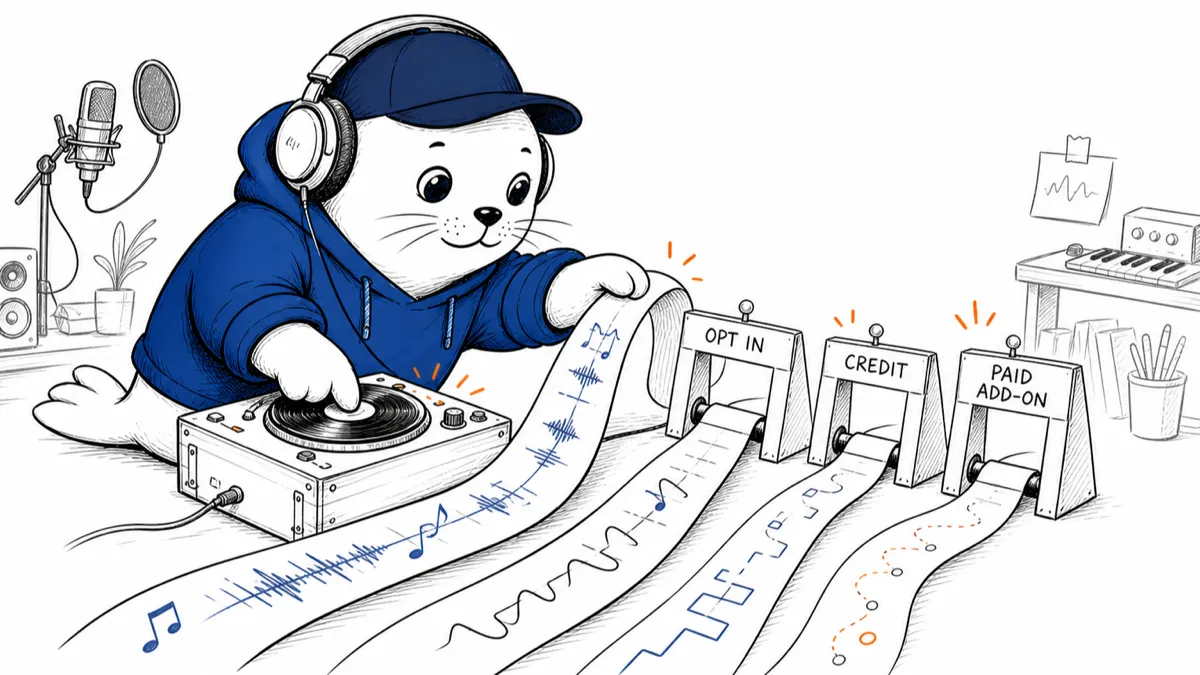
The four rights gates Spotify says it will use
A useful test for any licensed generative-music product.
- 1. Opt in: Participating Merlin labels and artists choose whether their music enters the program.
- 2. Credit: Fan-made outputs should identify the participating artist instead of erasing the source.
- 3. Compensation: The paid add-on is designed to create another revenue stream, though the split is not public.
- 4. Route back: Spotify says every creation will drive listeners toward the original work.
What the Spotify AI remix tool actually promises
The feature is meant to let listeners create covers and remixes from participating music. Merlin joins Universal Music Group in licensing the idea, widening the pool beyond the largest major-label catalog. Merlin says its membership spans more than 70 countries and represents about 15% of the global recorded-music market.
That 15% should not be mistaken for 15% of Spotify’s catalog arriving on day one. Participation is optional, label rights can differ by territory, and composition rights are not always controlled by the same party as the sound recording. A song can therefore be famous, available on Spotify, and still unavailable for this specific use.
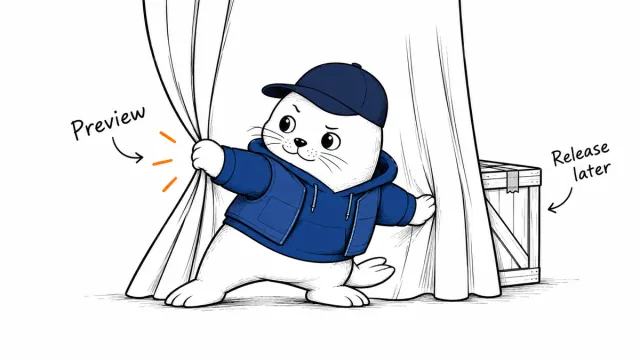
TechCrunch reported that Spotify plans to begin with a research preview for a subset of users. No public launch date has been announced. The preview does not need a full catalog to teach Spotify something useful: which transformations people attempt, how artists respond, and whether remixes lead listeners back to the original instead of replacing it.
Merlin makes the experiment materially bigger
The independent-music reach
Figures published by Merlin and reported around the agreement.
- Countries: 70+
- Global market: 15%
- Labels: 30,000+
Merlin’s scale matters because an AI music tool limited to a handful of blockbuster tracks would be a novelty. Independent catalogs contain the scenes, genres, and long-tail music that make experimentation interesting. TechCrunch put Merlin’s network at more than 30,000 labels and distributors.
It also creates a harder operating test. A global independent network means more varied contracts, local rules, takedown requests, metadata quality, and artist preferences. Spotify will need a rights ledger that can answer a simple question quickly: “Was this exact use authorized, in this territory, at this time?”
That is the same reason creators should keep provenance records when using generative images or text. Our guide to creating with AI without losing your voice starts with knowing what came from where.
The money question is still blank
“Paid add-on” tells us the product has a price. It does not tell us how revenue moves. Spotify has not published the subscription price, the artist or songwriter share, whether payment depends on creations or listening, or how rights holders can audit the calculation.
Known now, unanswered before launch
The gap between a licensing announcement and an accountable marketplace.
- Known: Opt-in participation, attribution, a paid add-on, compensation, and links to originals.
- Still open: Price, revenue split, eligible transformations, territories, moderation, takedowns, data retention, and release date.
The audit question is especially important. An artist should be able to see how many licensed creations used a track, where they were played, which revenue rules applied, and what was removed. Without that record, “compensated” is a promise that only the platform can verify.
What could go wrong even with permission
Consent does not solve every creative problem. An artist may approve playful covers but object to a remix that changes the meaning of a song. A voice transformation can create endorsement confusion. Offensive combinations, low-quality spam, and misleading attribution can still damage the people the licensing system is meant to protect.
The product therefore needs controls after opt-in: transformation limits, fast revocation, clear labeling, searchable provenance, and a dispute route that does not require a lawyer. Spotify also needs to explain whether a fan creation can leave the platform and what happens when an artist later opts out.
For sellers and visual creators, the lesson travels. A license is not the end of the workflow; it is the first row in the record. Our AI merch rights checklist applies the same idea to commercial designs.
My read: the rights plumbing is the product
The Spotify AI remix tool will be judged by whether the remixes are fun. Artists will judge it by something less glamorous: whether participation is reversible, attribution is accurate, and the money can be checked.
Spotify deserves credit for licensing before launch and for making artist choice explicit. The next announcement should contain the operational details, not another adjective. Publish the revenue logic, show the provenance label, explain takedowns, and let artists inspect their own usage.
If that works, Spotify may have a reusable model for generative media built on existing culture. If it does not, the catalog size will not save it.
Go deeper
- Read the Spotify and Merlin announcement.
- Compare the earlier Spotify and Universal agreement.
- See how we choose between generative tools for real creative jobs.
Reporting checked August 4, 2026. Market reach comes from Merlin; the 30,000-label figure and research-preview details were reported by TechCrunch. Pricing and revenue shares remain unannounced.