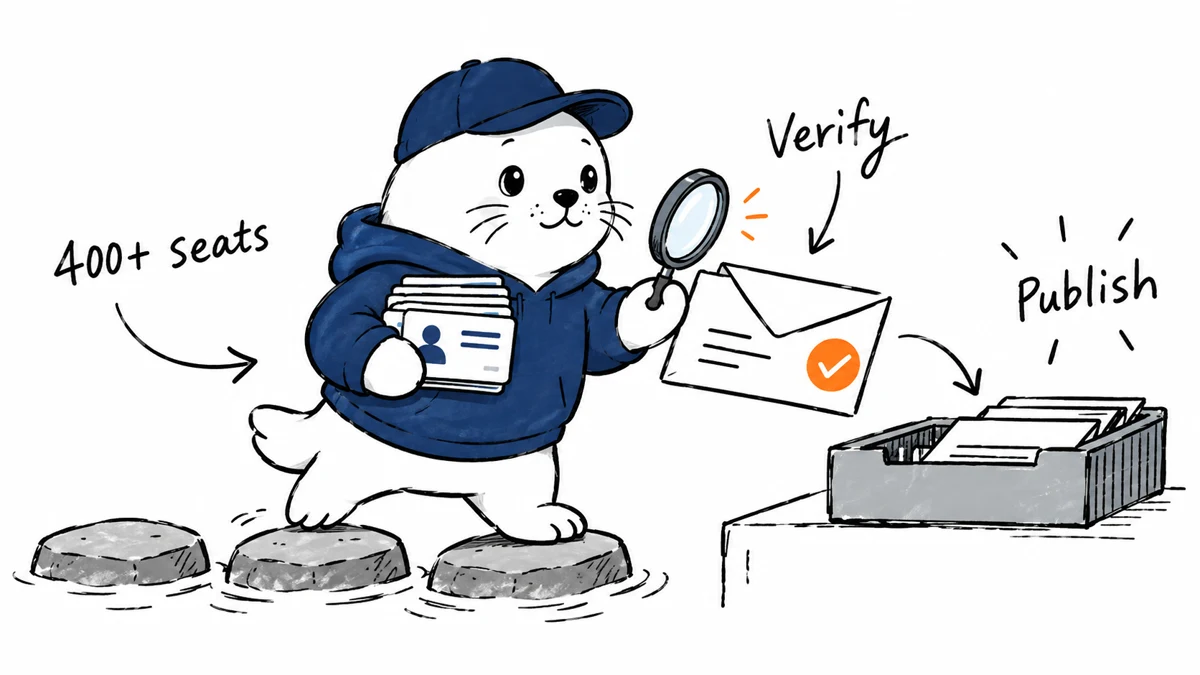
OpenAI is putting ChatGPT Edu into two journalism schools before their students enter newsrooms. More than 400 seats are concrete. Whether the program improves reporting without weakening verification will depend on the assignments, policies and evaluation that surround those seats.
OpenAI announced the journalism initiative on September 8, 2026. The first school partners are the Tow-Knight Center at CUNY’s Newmark J-School and the Knight Lab at Northwestern University’s Medill School. Interested graduate students and faculty are offered more than 400 ChatGPT Edu subscriptions for the 2026 to 2027 academic year.
What the announcement confirms
| Item | Confirmed detail | What remains unclear |
|---|---|---|
| Access | More than 400 ChatGPT Edu subscriptions | Distribution between schools and actual activation rate |
| Participants | Interested graduate students and faculty | Course requirements and selection process |
| Schools | CUNY Newmark and Northwestern Medill | Which additional schools join later |
| Term | 2026 to 2027 academic year | Renewal and post-program access |
| Program | Tools, training, partnerships and shared learning | Common curriculum, assessment and public results |
ChatGPT Edu changes administration, not truth
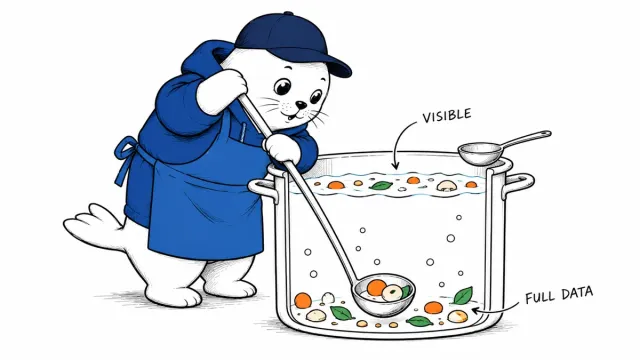
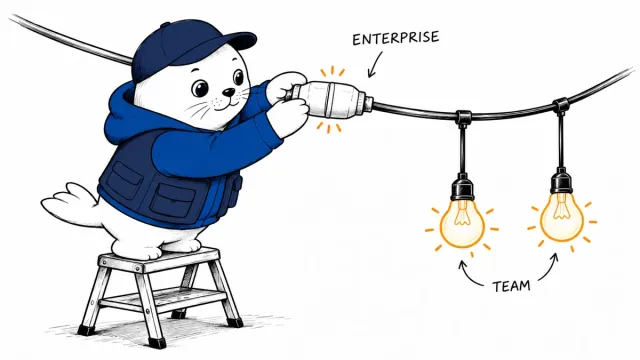
OpenAI says ChatGPT Edu provides enterprise-level privacy, permissions and administrative controls, and that data in Edu workspaces is not used to train its models. Those controls matter for class management and institutional data. They do not make an answer accurate or a source suitable for publication.
A course policy should separately define what may be uploaded, how unpublished reporting material is handled, which tools can reach external services and when an instructor must review the workflow. Workspace privacy is one layer of a newsroom threat model.
The curriculum should make verification observable
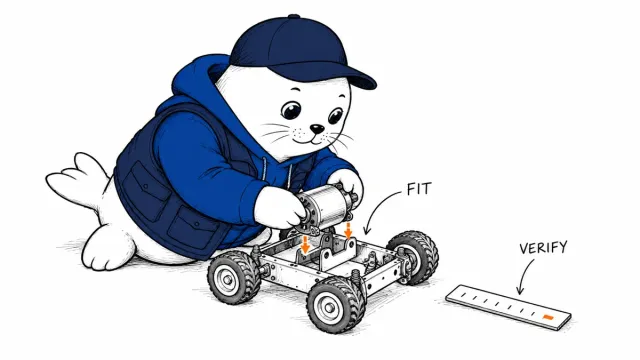
A useful program would not grade the polish of the final story alone. It would inspect the research trail. Students should preserve the original question, source list, prompt or tool record, disputed claims, corrections and the editor’s decision.
This makes failure teachable. A fabricated citation that is caught and documented can become a stronger lesson than a fluent draft that happens to be correct. Our research-to-publishing workflow uses the same separation between discovery, verification, drafting and release.
A six-assignment newsroom test
- Summarize a public meeting from an approved transcript and compare every claim with the source.
- Extract data from a public record and reproduce the calculation outside the chat.
- Generate interview questions, then score which ones produce new reporting rather than generic discussion.
- Translate a short verified story and have a fluent editor inspect meaning, names and sensitive phrasing.
- Search an archive for a claim and record misses as well as useful hits.
- Draft a correction note from a documented error without allowing the model to hide the original mistake.
Each assignment should run once with ChatGPT Edu and once with the school’s normal process. Measure sourcing errors, editor minutes, completeness and the amount of work that survives review.
The publisher relationship needs its own disclosure
OpenAI presents the school program as part of a broader journalism initiative. It also cites work with the American Journalism Project, Lenfest Institute, WAN-IFRA and INMA. Those partnerships involve access, credits, training or fellowships, depending on the program.
A school or newsroom should disclose material support when publishing research or coverage that evaluates the provider. Our publishers and OpenAI guide explains why commercial relationships and editorial judgments should remain visible and separate.
What students should never delegate silently
- Confirming that a person said the words attributed to them.
- Deciding whether an anonymous source’s identity could be exposed.
- Interpreting a legal filing, medical record or statistical result without expert review.
- Removing uncertainty because a cleaner sentence sounds more confident.
- Publishing a claim that cannot be traced to a source the editor can inspect.
What a credible program report should publish
At the end of the academic year, the most useful report would include activation, assignment completion, error categories, corrections, editor time, student confidence and examples of work that was rejected. It should distinguish student self-report from observed performance and disclose which evaluators knew whether AI was used.
The September announcement does not promise such an evaluation. It says the partners will share successes and challenges. A public methods note would make that learning reusable outside the two schools.
My take: access is the easy metric
Counting seats is straightforward. Measuring better journalism is harder because speed, ambition, sourcing, originality and public trust can move in different directions. The first year should optimize for visible learning rather than a promotional success rate.
If the schools publish the assignments and failure taxonomy, the program could become a valuable reference for journalism education. Without those artifacts, the announcement remains primarily an access partnership.
Primary source
Checked September 8, 2026. Program, partner and privacy statements are attributed to OpenAI. The curriculum and evaluation framework are Musthave.ai analysis.