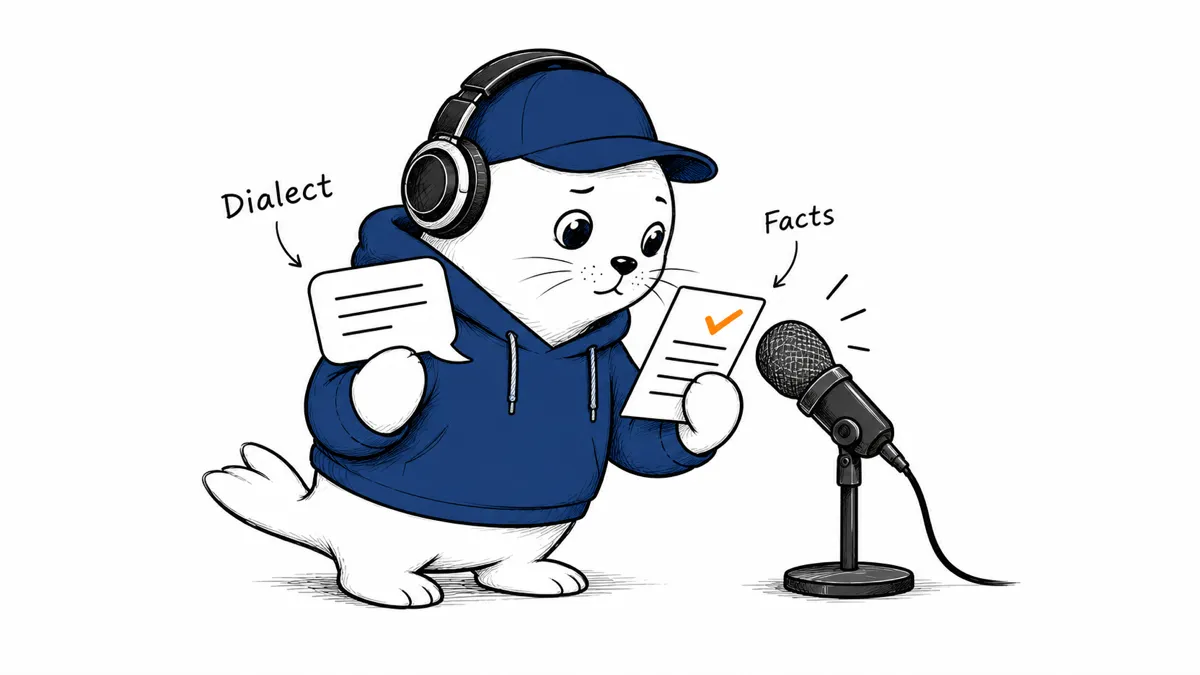
A customer reply can sound local and still be wrong. Dialect AI needs both a native ear and a factual review.
What TII introduced
The Technology Innovation Institute’s October 6 announcement describes Falcon-Emirati-7B as an adaptation of Falcon-H1-Arabic’s 7B variant. It focuses on Emirati Arabic, including local expressions and cultural context.
TII reports using native-speaker review alongside automated evaluations. The published results are the team’s own evaluations, not independent results reproduced by MustHave.ai. TII also warns about errors on rare expressions and localized references, and acknowledges that native speakers can disagree.
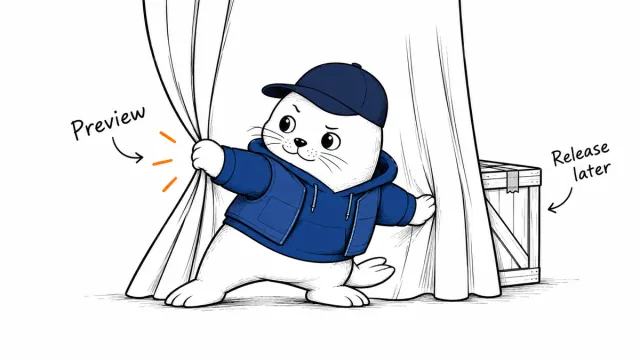
Availability and deployment are separate.
The announcement links to Falcon’s chat platform. This article does not report a hands-on service test. Downloadable weights and a license for this dialect variant were not verified so that a self-hosting guide would be premature.
For a business pilot, confirm the service terms before sending customer records. Ask which data the service retains and which controls your account provides. A public demo link alone does not answer those operational questions.
Build a review set around the customer’s task.
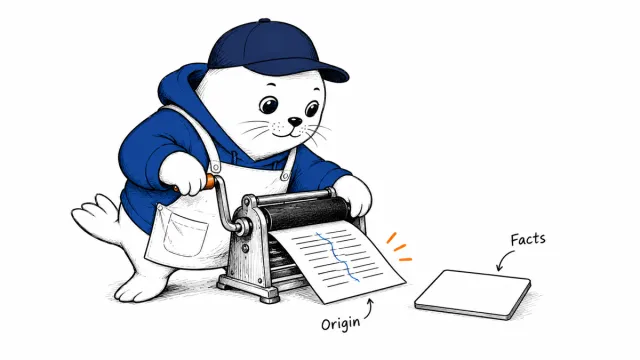
A useful support test starts with approved answers to actual customer questions. Include product details, return conditions, and escalation cases. Have native reviewers assess the wording while a separate reviewer checks each answer against the approved facts.
- Write an expected factual answer for every test prompt.
- Ask native speakers to assess tone and dialect naturalness.
- Include ambiguous requests that should trigger a clarification.
- Test unfamiliar expressions and mixed-language questions.
- Record factual errors separately from phrasing problems.
- Keep human approval for sensitive or official replies.
Suppose an answer uses an appropriate greeting but invents a refund period. Record that as a factual failure even if the reviewer likes the phrasing. Conversely, an accurate answer in an unwanted register needs a language revision. Separate records make those problems easier to fix.
Do not generalize Emirati results to every Arabic audience
A test designed for Emirati Arabic does not establish quality in Moroccan Darija or other varieties. If your customers use another dialect, build a local test set and recruit reviewers from that audience. Preserve disagreements between reviewers instead of forcing every judgment into one score.
This is a proposed review process, not a benchmark conducted by MustHave.ai. Our workload-testing guide covers comparison design. Our agent-verification explainer separates task completion from a convincing response.
Start with reviewed drafts.
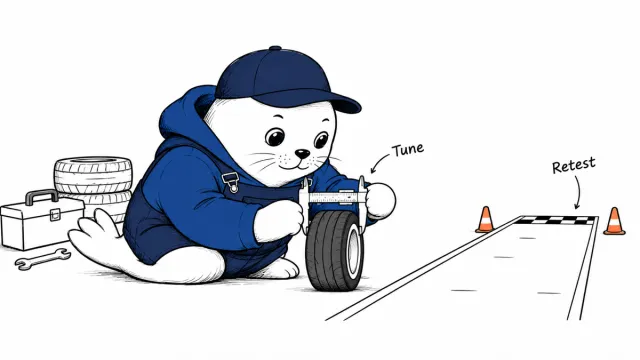
I would start with replies a person reviews before delivery. Keep the approved answer, generated draft, and final edit together. That creates examples your team can use to identify whether failures come from knowledge, instructions, or language choice.
Read TII’s evaluation description and limitations before designing the pilot. Which customer questions would need the most careful local review?