For patch teams, the interval between public disclosure and deployment deserves its own measure.
On November 16, Google’s Threat Intelligence Group described a case it says was the first it had identified in which attackers used language-model tools to automate vulnerability discovery and exploitation without human intervention. The team reported finding the framework on an exposed staging server. It says the framework analyzed software changes and could act on its findings. A separate case cited in the report describes a likely AI-assisted campaign four days after disclosure. These are separate observations. Google Threat Intelligence report
Measure the two delays in a patch window
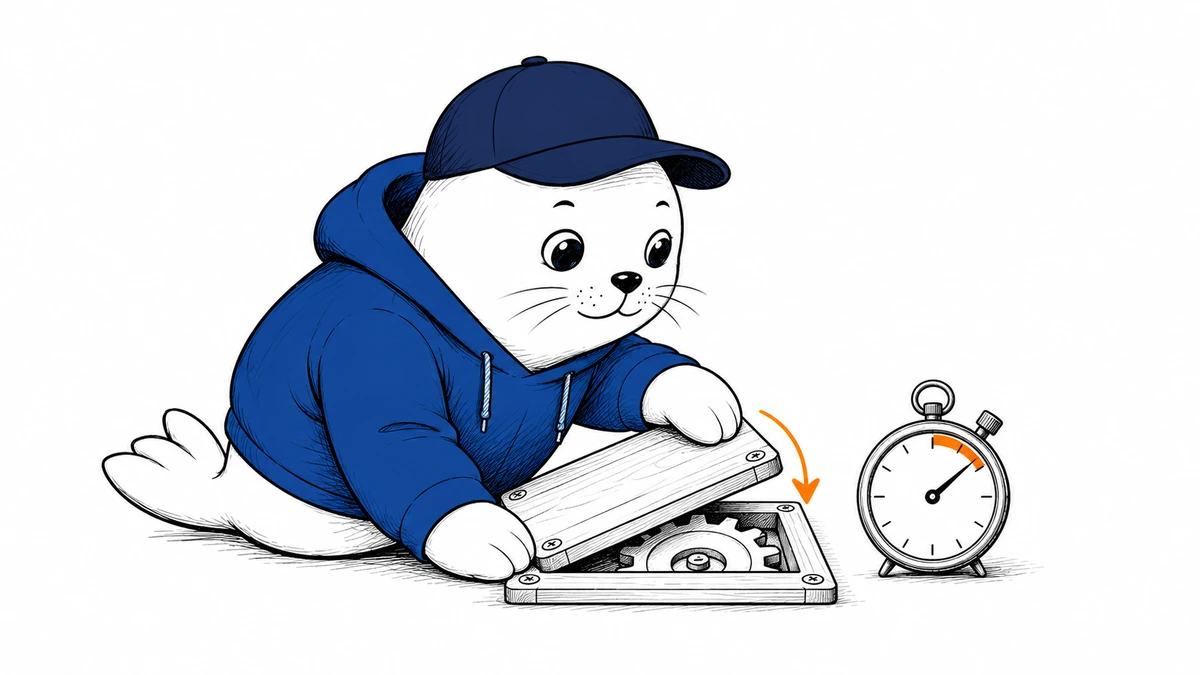
An operations team can calculate two intervals per public-facing dependency. Measure time from the vendor advisory to identification in your inventory, then time from identification to verified deployment. A one-day inventory delay and three-day deployment delay leave a four-day window for that dependency. Use this example to determine where your delays come from. It is an illustration, and Google’s reports do not predict a four-day window for every patch.

Abdessalam Alaoui
I'm Abdessalam Alaoui, founder of Musthave.AI. I write practical guides to AI models, tools, generative media.