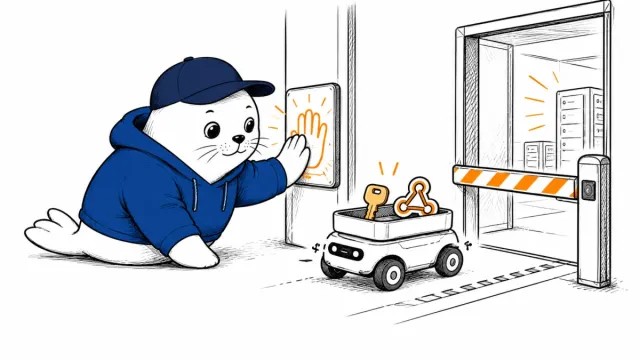

A talking AI avatar looks simple on a demo screen. In production, it becomes a voice agent, video generator, identity system, and customer-facing workflow at once. Google’s latest release makes that stack easier to try, but it does not open every kind of avatar to every customer.
What Google released on September 24
Google says Gemini 3.8 Live with Live Avatar is generally available in Gemini Enterprise. The feature adds synchronized talking video to the Gemini 3.8 Live speech-to-speech model. Google lists US and EU endpoints and says developers can build through the Gemini Live API.
This is a new availability milestone for the avatar feature, not a new launch of the underlying voice model. Our earlier Gemini 3.8 Live migration guide covers the audio models and their state signals. Here, the deployment question is different: what does a live face add to an agent, and what controls follow that face into a real conversation?
The ready-made path and the custom-face gate
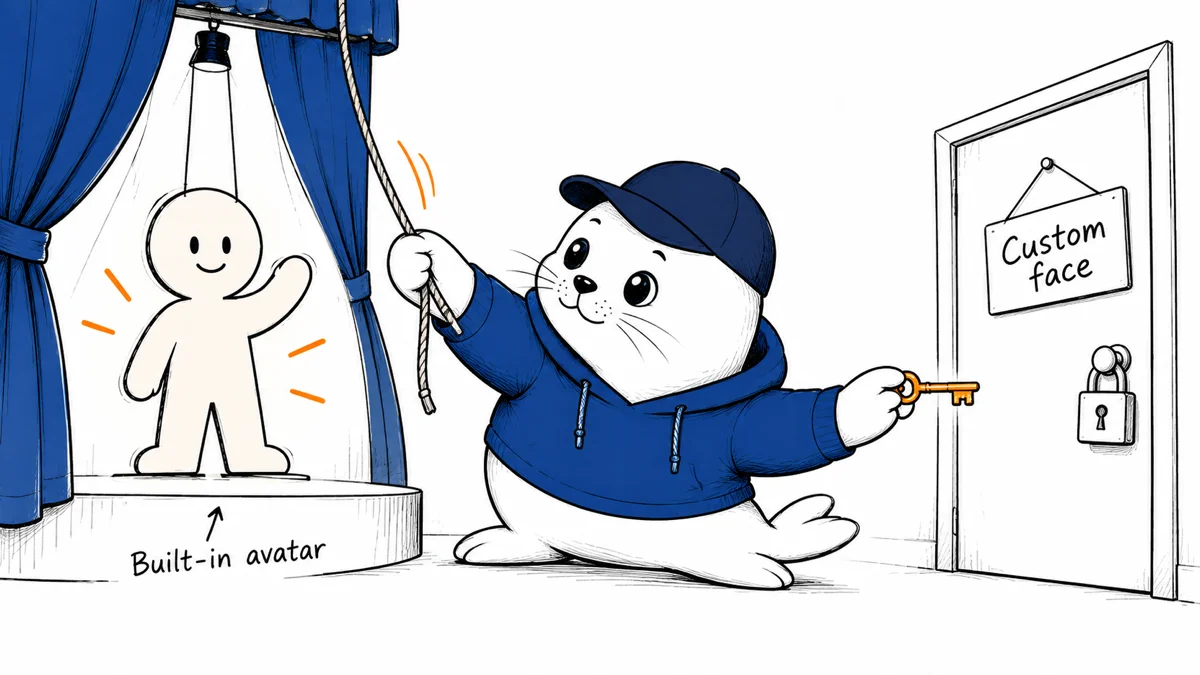
Google’s configuration guide describes a straightforward first test. Select gemini-3.8-live in the Agent Platform’s real-time studio, switch on Live Avatar, choose a built-in character, and pair it with a supported voice. The API can also configure a prebuilt avatar in a live session.
Uploading a face is a different proposition. Custom avatars are available only to selected customers through allowlisting. Google says the customer must secure the necessary rights and consents for face or voice samples, and its documentation rules out images of minors and celebrities. A generally available avatar feature therefore does not mean open self-service cloning of a person’s likeness.
Google also says generated audio and video carry imperceptible SynthID watermarks. That is a provenance measure, not a substitute for consent or for a clear disclosure to a customer that the person on screen is synthetic.
A sensible pilot is narrower than the demo.
The product announcement describes three capabilities worth testing separately: interruptions during speech, background tool calls. At the same time, the avatar keeps talking, and live visual understanding of a camera feed or screen share. Google also reports support for 97 languages with automatic detection. Those are product claims; a buyer still needs to test the languages, latency, and handoff behavior that matter to their own users.
Start with a prebuilt avatar answering a bounded question. Then add one read-only tool. Measure whether the spoken answer matches the tool result and whether the face stays synchronized after an interruption. Only after that should the agent write to a CRM or guide a customer through a sensitive process. A video face makes an error feel more authoritative, so the escalation path to a person must be visible and easy to use.
Google’s insurance-claims demo is a useful illustration of multimodal input, but it is not evidence that an avatar is ready to adjudicate a claim. The safe first job is intake: record what the customer shows, confirm details, and pass a reviewable packet to a human decision-maker.
How this differs from the Meta avatar story
Our Meta Muse and LemonSlice report examined public demonstrations and the risk of treating unlike clips as a benchmark. Google’s announcement gives developers a clearer deployment answer: an enterprise product, documented API steps, named endpoint regions, and a specific gate for custom faces. It still does not establish that one company’s avatar looks or responds better than another’s.
My view: the significant release detail is the boundary, not the lip-sync. Teams can try a built-in avatar in a controlled workflow today. A real person’s face requires a separate approval and consent process. Keep those paths separate in the product plan, the privacy review, and the headline.
Where to check before building
Read Google’s release announcement for the availability scope and its Live Avatar setup guide for the current API and consent requirements. If you are deploying a customer-facing agent, test the built-in-avatar path first and document how a user reaches a human.