
A new Google and MIT AI in science study suggests that AI is saving many scientists time, but part of that gain is immediately reinvested in checking the output. The research combines 15 million Gemini interactions, 2,690 specialist model patterns and a survey of 637 scientists in the United States and United Kingdom.
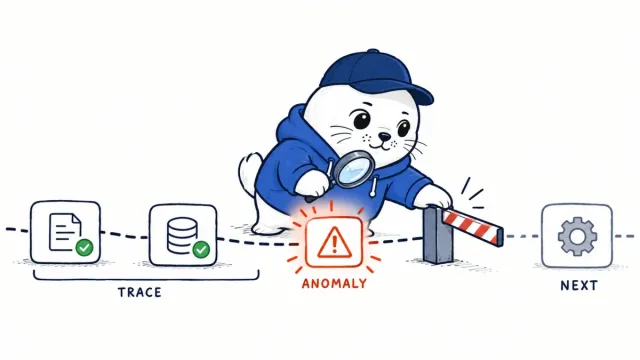
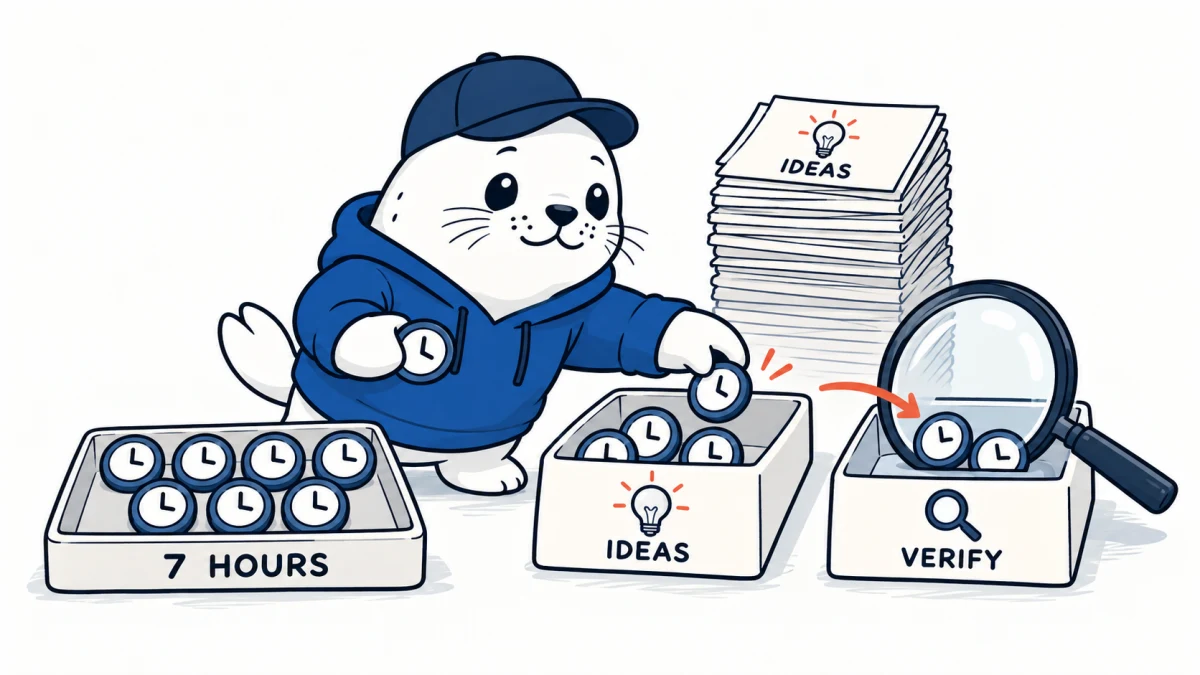
The headline result is attractive: among scientists who said AI saved them time, the reported average was just under seven hours per week. Yet 89 percent of those time savers spent more than 10 percent of the recovered time verifying AI output, and 46 percent spent more than a quarter of it on verification.
The study combines behavior and self-report
| Evidence | Scale | What it can show | What it cannot prove |
|---|---|---|---|
| Gemini interactions | 15 million | Patterns in scientific use on the analyzed service | All AI use across every provider |
| Specialist model patterns | 2,690 | How domain-specific scientific requests cluster | Independent quality of every answer |
| Scientist survey | 637 respondents | Reported habits, time savings and attitudes | A representative causal estimate for all scientists |
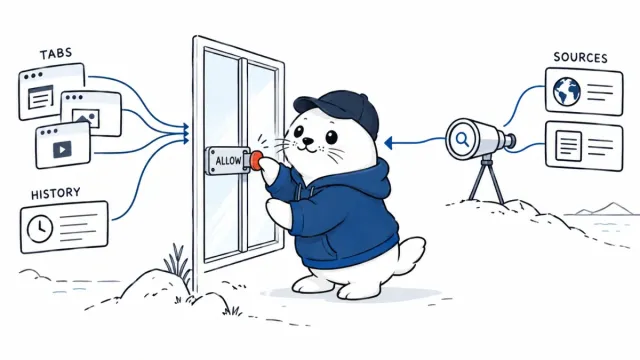
Using both telemetry and a survey gives the paper more texture than a simple opinion poll. It still does not turn the findings into a universal productivity rate. The authors note that the telemetry does not include paid enterprise API usage, and a classifier infers which interactions concern scientific work.
Nearly half of respondents use AI daily
The study reports that nearly half of surveyed scientists use AI every day. About three-quarters said AI saved them time. Those figures describe adoption among the respondents, not the entire scientific workforce. Field, seniority, institution, task type and available tools can all change the result.
Time savings also mean different things across a research workflow. Drafting code, summarizing literature and reformatting a table can reduce mechanical work. Designing a novel experiment or interpreting an unexpected result has a different error cost.
Verification consumes part of the recovered time
The verification figures provide the study’s most useful operational insight. If a scientist reports seven hours saved and spends 25 percent of that time checking output, the gross gain is seven hours but the checking allocation is 1.75 hours. The remaining net time is 5.25 hours before accounting for corrections, failed prompts or work that would not otherwise have been attempted.
That calculation is illustrative, not a new claim about the average respondent. The paper reports ranges for verification shares, so teams should measure their own workflow instead of subtracting one universal percentage.
Faster ideation can create a hypothesis backlog
Forty-one percent of respondents reported a growing backlog of hypotheses. AI can make ideas cheaper to generate without making experiments, data collection, peer review or lab capacity equally cheap. The bottleneck moves downstream.
- Rank hypotheses by expected value and falsifiability.
- Record the source and reasoning behind each generated idea.
- Budget verification before adding another experiment.
- Retire low-value ideas instead of preserving an unlimited backlog.
- Measure completed learning cycles, not idea count.
Scientists report more incremental than risky work
The survey found 49 percent describing AI-supported work as safer or more incremental, compared with 28 percent describing it as riskier. One interpretation is that AI helps researchers navigate familiar space efficiently. Another is that verification costs encourage work where correctness is easier to check.
Neither result proves that AI reduces scientific originality. It does suggest that a productivity program should track novelty and research direction alongside speed. Our model customization guide explains why task fit and evaluation design matter more than adopting one model everywhere.
A better productivity metric is verified progress
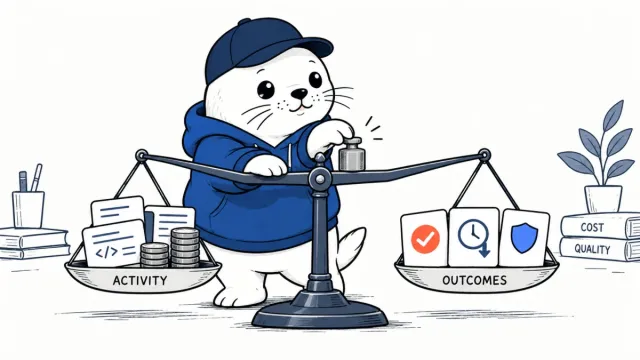
Hours saved are easy to communicate but difficult to compare. A more useful unit is verified progress per researcher week. That metric counts outputs that survive checking and advance a real research objective.
| Measure | Why it matters |
|---|---|
| Gross hours saved | Captures perceived acceleration |
| Verification hours | Reveals the cost of confidence |
| Corrections after review | Measures error burden |
| Verified outputs completed | Connects time to usable work |
| Experiments or decisions advanced | Links output to scientific progress |
The same discipline applies to coding and office work. Our ChatGPT Work and Codex business-value guide shows how to combine usage, quality and outcome measures rather than equating activity with value.
How a lab can audit its own AI gain
- Choose one repeatable task, such as literature triage or code translation.
- Record baseline completion and review time without AI.
- Repeat with AI while logging prompts, sources and corrections.
- Have a domain expert judge output quality without knowing the workflow.
- Compare verified completion time, not draft speed.
- Repeat after the model or retrieval source changes.
The practical reading
The study supports a cautious conclusion: scientists are already using AI extensively, many report meaningful time savings, and verification remains a substantial part of the job. The most credible benefit is not effortless automation. It is a reallocation of researcher time, with the value determined by what survives expert checking.
Primary sources
Checked September 17, 2026. Study figures come from the paper and Google’s summary. Illustrative calculations, metric design and lab-audit steps are MustHave.ai analysis.