Qwen published a new Qwen Studio overview on September 15, 2026. The official page presents Studio as a single assistant for reasoning, long-form work, multimodal input, media generation, code and interactive artifacts across web, mobile and desktop.
The dated Qwen Studio Overview is mainly a seven-image product tour rather than a technical release note. The official Qwen Studio product page supplies the accompanying feature descriptions. Together they show the current product surface, but they do not define a new model version.
The product map in one view
| Surface | What Qwen describes | What readers should verify |
|---|---|---|
| Reasoning | Deep thinking and problem solving | Which model is selected and whether thinking is available in the chosen plan. |
| Long-form work | Creative writing with processing up to one million tokens | Whether the limit applies to the active model, file type and account tier. |
| Multimodal input | Audio, images and video without manual model switching | Upload limits, supported formats and regional availability. |
| Creation | Image and video generation | Generation quotas, licensing terms and model attribution. |
| Artifacts | Dynamic HTML and SVG creation with real-time visualization | Export, execution and security boundaries. |
| Apps | Web, mobile and desktop access | OS compatibility, data access and synchronization controls. |
Studio is a router, not one fixed model
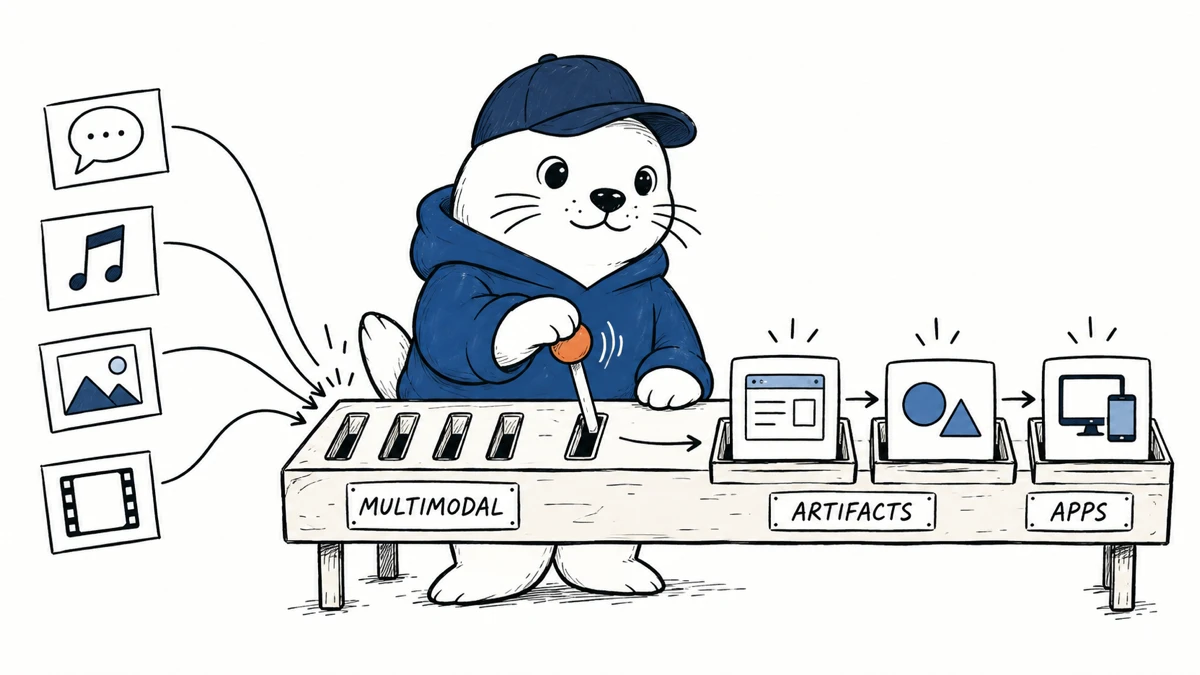
Qwen says the system can accept text, audio, images and video while automatically using the appropriate counterpart. That wording matters. Qwen Studio is the product layer, while the Qwen family contains models with different modalities, context windows and availability.
A user should record the model name shown for a task instead of attributing every Studio result to a generic “Qwen” model. The distinction is similar to the deployment issue in our Qwen3.8-Flash-Next guide: product labels and model contracts answer different questions.
Artifacts turn a response into a live object
The official page describes Artifacts as a way to create, reference and update dynamic HTML and SVG with real-time visualization. That moves the interaction beyond a static code block. A user can ask for an interface or visual object, inspect the rendered result and request changes against the same artifact.
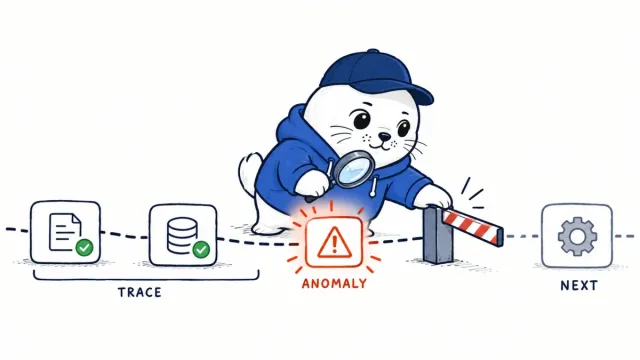
The useful evaluation is not whether the first artifact looks impressive. Test whether edits preserve working parts, whether exported files run outside Studio and whether generated HTML is isolated from sensitive browser data. Our agent review guide explains why preview and approval layers matter before AI-generated changes are accepted.
The one-million-token line needs context
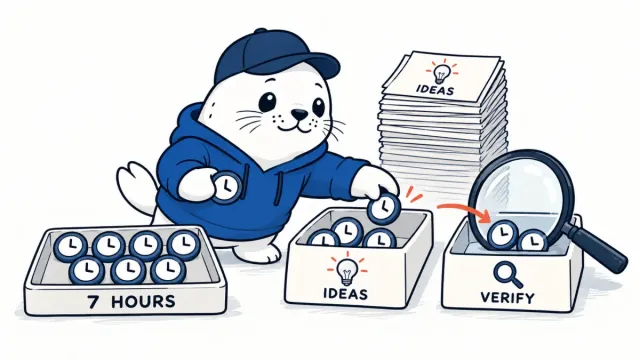
Qwen’s product copy says creative-writing workflows can process up to one million tokens. The company’s API platform separately lists one-million-token context for several hosted Qwen models. That supports the existence of long-context options, but it does not prove that every Studio mode, file workflow or account receives the same usable limit.
Long context is also not the same as perfect recall. For a book, research archive or codebase, evaluate retrieval accuracy at the beginning, middle and end of the input. Record upload time, first-token latency, citations and the point at which adding more material reduces answer quality.
Mobile and desktop expand the data boundary
Qwen promotes iOS and Android apps with voice conversations and photo input. It also promotes macOS and Windows apps that can work with email, screenshots, files and screen content. Those capabilities can be convenient, but they expand the permission surface beyond a web chat.
- Grant photo, microphone and screen permissions only when the workflow needs them.
- Check whether business documents are covered by a suitable data policy.
- Separate personal and work accounts when local files or email are in scope.
- Review generated media and code before publishing or executing it.
What Qwen has not documented in this overview
The September 15 post does not publish a change log, a Studio version number, a detailed plan matrix or a model-by-feature table. The product page says Studio is free to use and open to all, but readers should not infer unlimited usage, uniform regional access or identical features across every platform.
The overview also does not replace model cards, API pricing pages or privacy terms. Teams making a procurement decision still need those documents for retention, training-use, quotas, service levels and regional processing.
A five-task test for Qwen Studio
Use the same source material for five tasks: reason over a long document, describe an image, extract a moment from video, generate an editable artifact and revise a piece of code. Record the selected model, latency, export quality and whether the result survives a second round of edits.
This test measures the value of the product layer rather than one benchmark. It also exposes the handoffs between modalities, where an assistant that is strong in isolation can still lose context.
Primary sources and disclosure
- Qwen: Qwen Studio Overview, September 15, 2026
- Qwen: Studio product page
- Qwen: API platform model and context listings
Checked September 16, 2026. Feature descriptions are Qwen’s product claims. This article treats the dated post as a product overview, not as evidence of a newly released base model or a universal entitlement for every account.