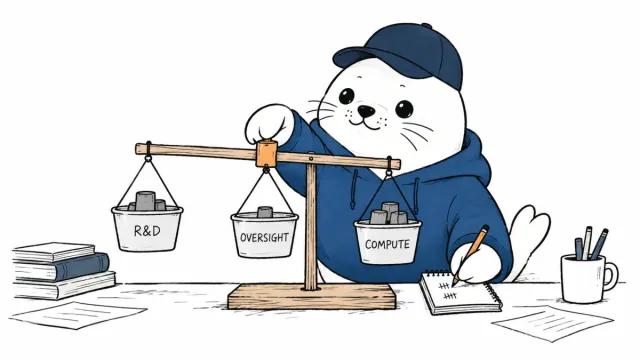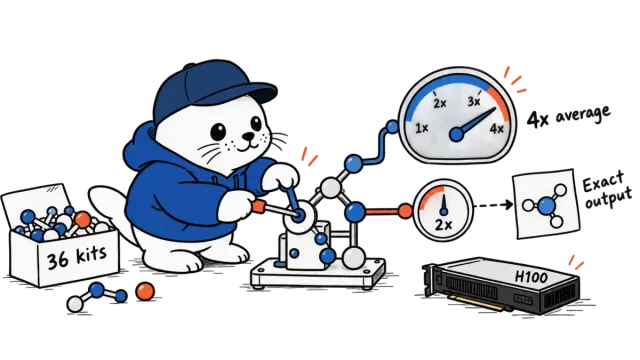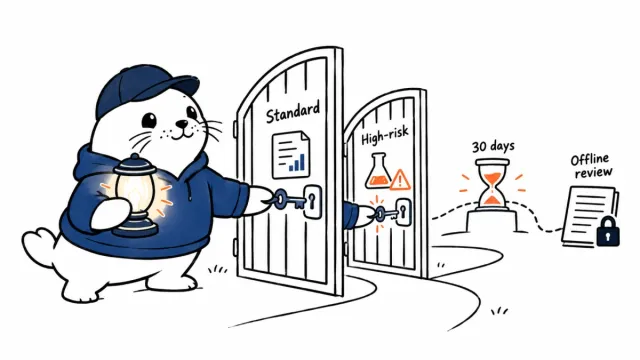

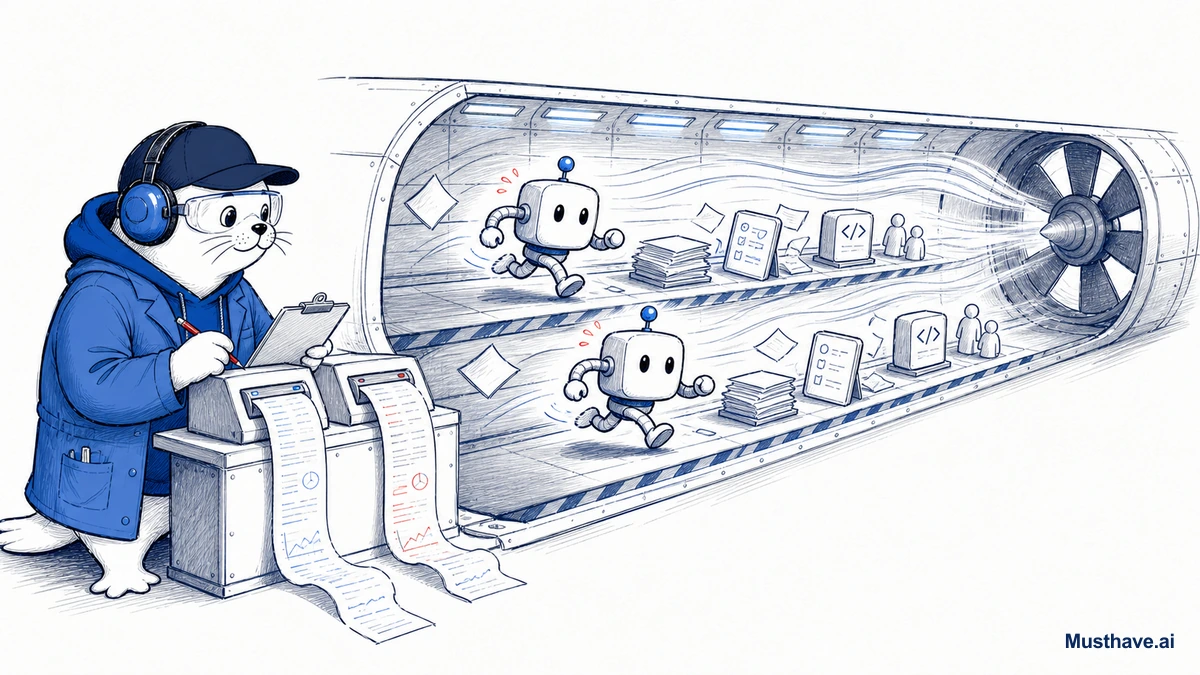
If you want to know how to use AI well, watch what serious enterprises do, not what the hype threads say. And one habit shows up over and over: big companies keep putting Claude and GPT (and often others) in the same bake-off, refusing to crown a permanent winner. That instinct is worth understanding, because the logic scales all the way down to a team of one.
Because there is no permanent #1
The first reason is simple: the leaderboard never stops moving. One lab ships a better model, then a rival leapfrogs it a month later, then the first one answers back. An enterprise that bet everything on whichever model was best last quarter would be perpetually behind, and stuck with switching costs.
So instead of picking a champion and defending it, they keep testing. They run their real workloads through the current top contenders and let the results, not the marketing, decide what handles what. In a field this fast, staying flexible is the strategy.
Because redundancy is resilience
Here’s the reason a risk officer loves. If your entire operation runs on a single AI vendor, that vendor is now a single point of failure. An outage takes you down. A sudden price increase hits your whole cost base. A policy change or a deprecated model breaks your workflows overnight.
Running Claude and GPT side by side is insurance. If one has an outage or changes terms, you fail over to the other and keep moving. For a business, “we can’t work today because our one AI provider is down” is an unacceptable sentence, so they make sure they never have to say it.
Because they genuinely win different jobs
This isn’t just hedging, the models really do have different strengths. In practice, teams find one model shines at careful long-form writing and nuanced reasoning while another is stronger at broad integrations or a particular kind of task. Rather than force everything through one tool, enterprises assign work to whichever model wins it, task by task. It’s the same “assignment board” logic individuals should use, just at scale.
Because it’s leverage
There’s a hard-nosed commercial reason too. When you’re a credible customer of two vendors, you have negotiating power and you avoid lock-in. The moment a supplier knows you can’t leave, your pricing and your priorities are theirs to set. Keeping a live alternative (and actually using it) keeps everyone honest and keeps your options open.
Why this matters for you, even solo
Here’s the takeaway that applies whether you’re a Fortune 500 or a freelancer at a kitchen table: the enterprise bake-off habit is just good practice, shrunk down. You don’t need a procurement department to copy it.
- Don’t marry one model. Keep at least two you trust, and know which one you’d switch to if your default broke.
- Run your own bake-off. Take five real tasks, run them through both, and score quality, speed, cost, and trust.
- Assign by task, not loyalty. Let each model own the jobs it wins, and write it down.
- Keep a fallback. An outage or a price change shouldn’t be able to stop your week.
The bottom line
Enterprises keep Claude and GPT in the same bake-off because it’s resilient, flexible, and keeps them in control, not because they can’t make up their minds. That’s not indecision; it’s discipline. Borrow it. In a field that reshuffles every few weeks, the people who stay calm and productive are the ones who never bet everything on a single logo.
The cheapest way for a solo to keep a backup
You don’t need two paid subscriptions to copy the enterprise habit. Keep one primary model you pay for, and set up a second, free-tier account on a rival as your backup, enough to keep working during an outage and to sanity-check the occasional answer. Once a month, run a real task through both and see if the gap has changed. That’s the whole enterprise playbook (redundancy, task-fit, no lock-in) shrunk to a solo budget. When your main tool goes down mid-deadline (and it will), you’ll be very glad the backup is already logged in.
Do you keep a backup model, or are you all-in on one? Tell me your setup in the comments.
Verification sources and related guides
Primary reference: Anthropic model documentation. This is an official provider source. Treat performance, adoption, and product claims as company-reported unless the article identifies an independent check.