United Airlines said on November 11 that it is restricting unauthorized third-party personal AI agents on its own digital platforms and through agencies and aggregators. The carrier cited the risks of handing over credentials, unexpected purchases or account changes, and its check-in requirement for a human acknowledgment about prohibited items in bags. United says it is changing its booking, ticketing, and distribution policies.
A separate travel-agent development illustrates a different problem. Odessia says OpenAI acquired it and that its service is now unavailable. The travel startup directs users to support@odessia.com if they need help changing an existing booking or accessing their travel plans. Its notice gives no details about a replacement service.
Keep a handoff for each stage of a trip
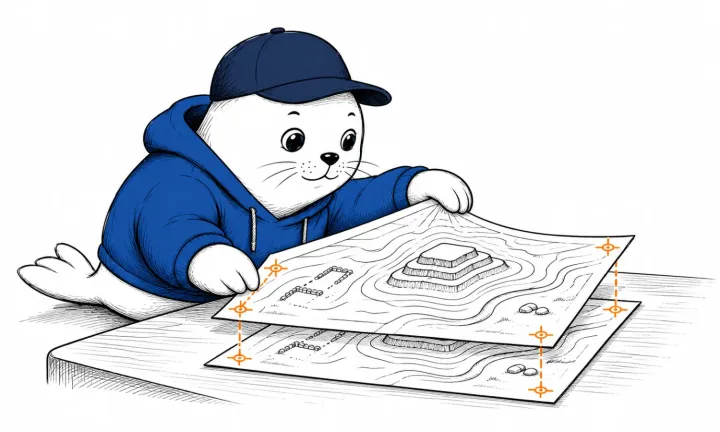
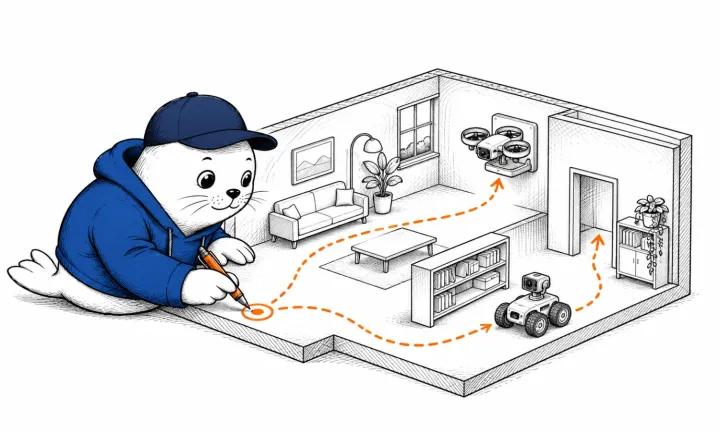
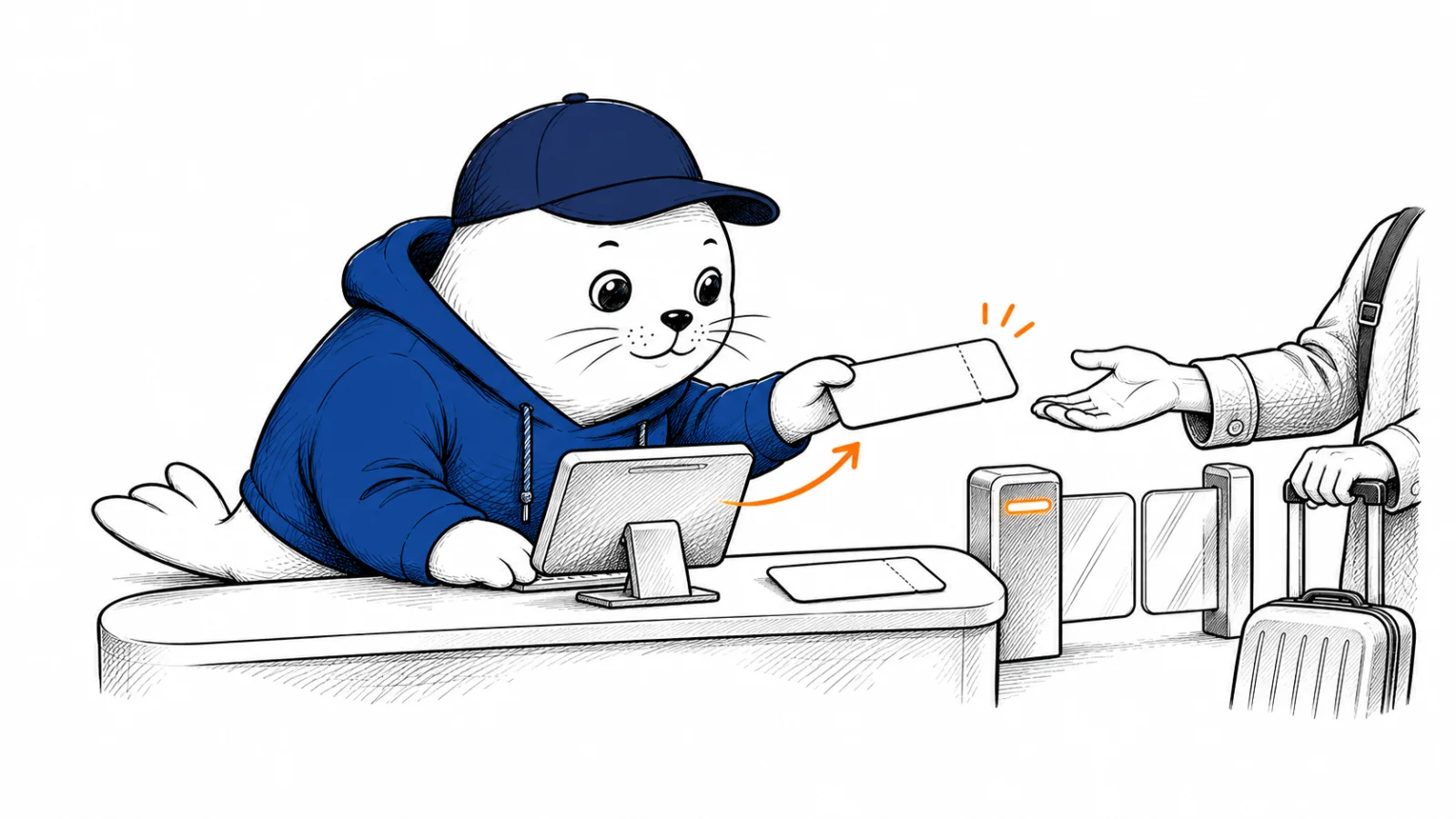
A travel assistant can store the options a customer is comparing without collecting an airline password. At purchase, it can hand off the selected route, dates, and fare to the traveler or an authorized channel. At check-in, the traveler can complete the airline’s own acknowledgment. These stages need separate permissions, so authorization to research a flight should never be treated as authorization to buy it or check in.
After purchase, the traveler should also be able to retrieve the supplier’s confirmation reference, where to request a change, and the applicable fare terms without reopening the agent. Odessia’s support notice shows why this matters. An assistant can become unavailable while the customer still needs to service a reservation.
United’s announcement concerns its own access policies. Odessia’s notice concerns its own service closure. Together they show where a travel workflow needs durable records and a person or authorized provider to take over.

Abdessalam Alaoui
I'm Abdessalam Alaoui, founder of Musthave.AI. I write practical guides to AI models, tools, generative media.