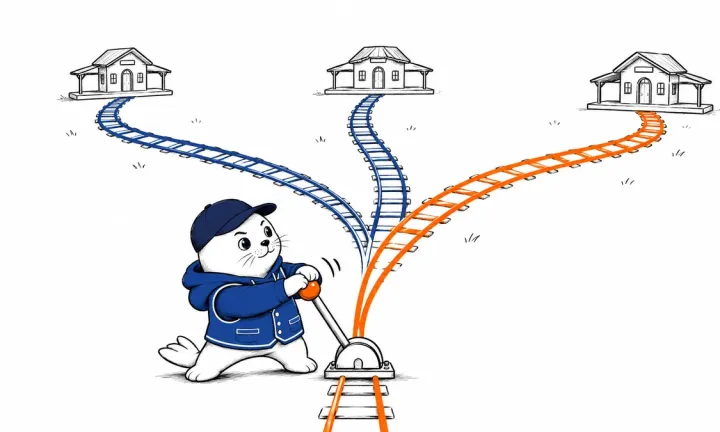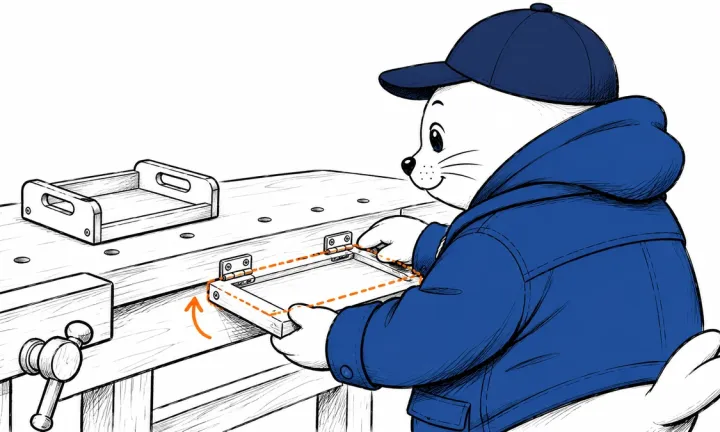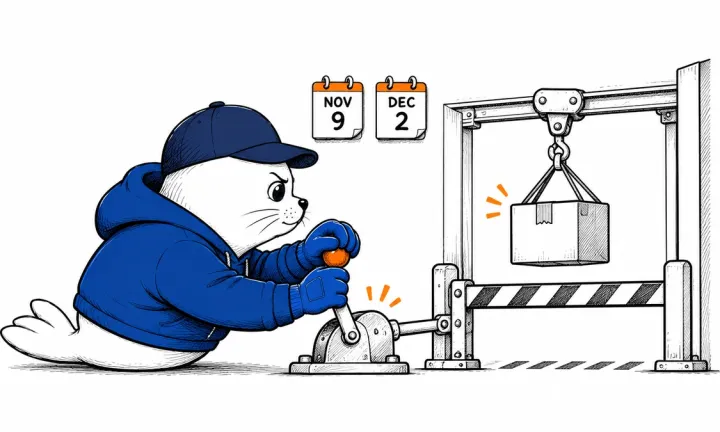


An agent that pauses halfway through a task needs to resume from its working state.
Render launched Sandboxes in public beta on November 4. The service uses Firecracker microVMs for agent environments that can retain work over time. Its snapshot and suspend/resume features target tasks that outlast a single short execution.
A file snapshot and a runtime snapshot preserve different things
Render’s sandbox documentation distinguishes the filesystem from the running environment. A filesystem snapshot records files. A runtime snapshot also preserves memory and process state. That gives developers different starting points for continuing an interrupted task.
Consider an agent that has installed dependencies, opened a project, and started work. Keeping its files can avoid rebuilding the project directory. Keeping runtime state can also preserve the processes involved. The application still needs to test what a resumed task can safely continue, including any connections to external services.
Suspension changes the bill without removing storage
Render describes running usage in terms of actively used CPU and allocated memory. A suspended sandbox stops incurring CPU and memory charges, while its retained snapshot continues to incur storage charges. Use the pricing page to check current rates before estimating a workload.
| Environment state | What the application retains | Cost category to budget |
|---|---|---|
| Running | Active environment and current work | Actively used CPU and allocated memory |
| Suspended with a snapshot | Stored state for later resumption | Snapshot storage remains billable |
A sensible cost estimate therefore needs both time spent working and state kept between tasks. Pausing an environment can reduce compute charges, but a large collection of retained snapshots can still add to storage costs. Set retention rules alongside the suspension policy.
Keep beta features separate from early access
The beta is available in Oregon across workspace plans. Render documents a default idle period of 15 minutes, with configurable behavior and optional automatic suspension. You can allow network egress, restrict it to selected domains, or block it.
Credential brokering and scoped API keys are described as early access. Additional regions and private networking are among the future capabilities discussed in the launch. A production design should use the features actually available to its workspace, not the whole roadmap.
Test the handoff back to the outside world
For persistent agent work, I would pause after a local change but before an external action completes. Resume the environment and verify whether repeating the next step could duplicate a request. A preserved process does not by itself establish that an external operation is safe to retry.
That is a proposed evaluation, not a test we have run. We have also not reproduced Render’s startup-speed or cost comparisons. Which part of your agent’s state would be hardest to rebuild after an interruption?

Abdessalam Alaoui
I'm Abdessalam Alaoui, founder of Musthave.AI. I write practical guides to AI models, tools, generative media, and ways real people make money with this stuff. No press-release fluff. 20+ years shipping digital products; you'll also find my work around HowTik, Yumasty, and IncomeHelpful.