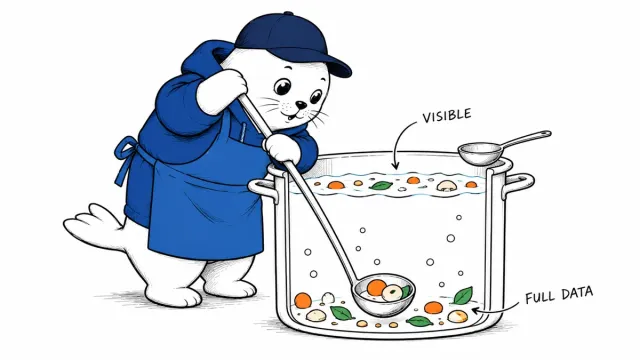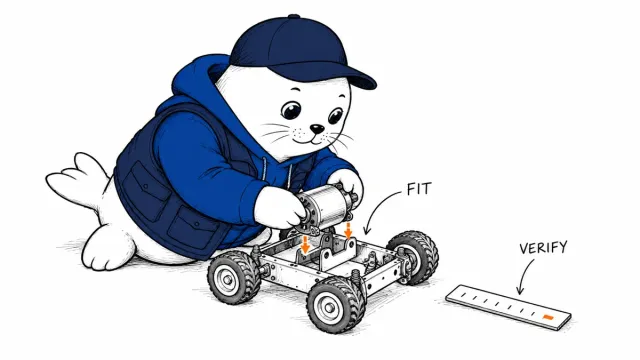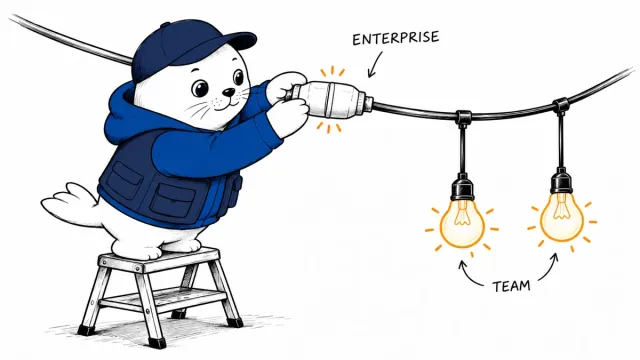

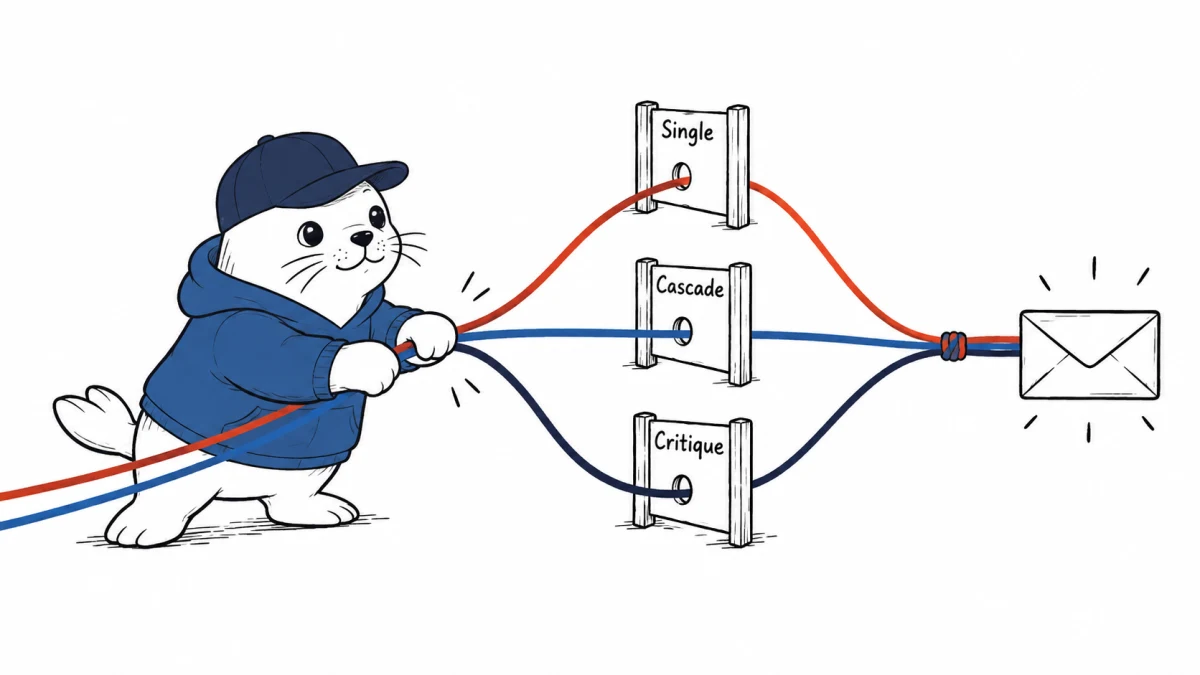
A coding task can involve several models before a patch reaches review. The useful comparison includes all that work and the human effort afterward.
Max joins an updated model pool
GitHub’s October 14 update adds HydraFusion Max and changes the model pool. Both modes remain research previews in VS Code, the Copilot app, and the CLI.
The pool includes Claude Opus 5.5, GPT-6 Astra, GPT-6.1 Sol and GPT-6 Luna. The models actually used vary by task. Access covers Pro, Pro+, Business, and Enterprise with preview features enabled, subject to organization model policy.
The review stages now inspect more than summaries
GitHub describes medium reasoning effort for initial drafts and high effort for review. Cascade can judge the first attempt and request a repair. Critique uses tools to inspect the workspace more directly and can run parallel critics.
Max applies higher reasoning effort for demanding work. Those changes make earlier workflow descriptions and benchmark assumptions historical. This article makes no current cost-saving or quality claim for either mode.
Compare the same jobs under both modes
Choose tasks with a result another person can verify, such as a reproducible bug or a small feature with written acceptance criteria. Keep the repository starting point and request unchanged.
- Record the client version, selected mode, and date.
- Save the final diff and test results.
- Include drafting, judging, repair, and retry usage.
- Measure time to a review-ready patch.
- Record reviewer corrections and accepted results.
For a proposed comparison, divide the total run cost by the number of accepted tasks. Keep human review time alongside it. A cheaper generation can still be a poor choice if reviewers need more time to verify that the patch is correct.
Review actual workspace changes
A critic’s approval is another model output. It should not substitute for inspecting the changed files and running the relevant checks.
I would use Max first on a difficult but bounded task where a shallow solution is easy to detect. Keep rollback available and inspect the diff before leaving the session. Orchestration does not make unwanted workspace changes disappear.
The Copilot tracing guide covers observability. Our review-bottleneck analysis explains why accepted work and review effort belong in an agent comparison.
Read the sources and plan your next step
Which task would reveal whether deeper orchestration reduces your total review effort?
Checked October 15, 2026. This is source-based reporting and analysis; proposed checks are not hands-on test results.