
House disclosed using language models during the final stretch of development on the co-op game Big Walk. In its official FAQ, the studio says it mainly asked chatbots to help investigate bugs in third-party code. In some cases, the developers adapted snippets from model responses. They estimate that well under 0.1% of the game’s code was affected and say they used generative AI in no other part of production.
The studio describes a rendering slowdown at sunrise and sunset. A chatbot suggested a potential fix after other attempts failed. House House says it rewrote the suggestion extensively and incorporated about ten lines into Unity’s Universal Render Pipeline. The studio’s public account establishes its reported process. It supplies no commit or independent performance measurements for that patch.
A ten-line patch can change a whole scene
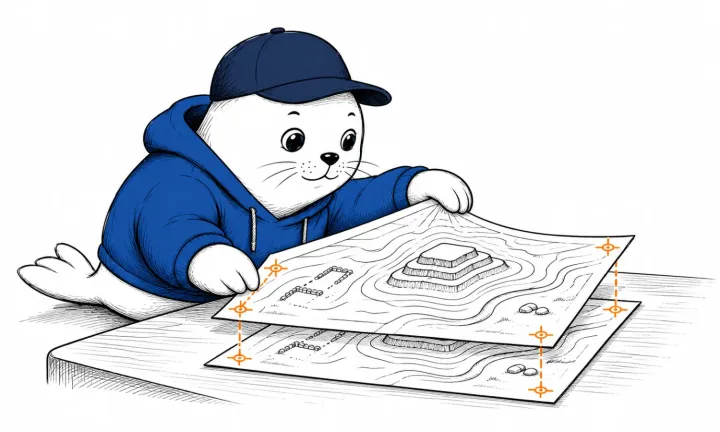
Line count and visible impact answer different questions. If a short patch changes a rendering operation used throughout a scene, its effect can be far larger than its share of the source tree. In this example, the studio identified a recurring time-of-day condition. A team documenting a similar patch could record frame times before and after the change in the same scene and graphics settings, and compare the slowdown window with an unaffected interval in the same run.
For a disclosure that players and maintainers can interpret, name the affected subsystem, explain how the AI was used, and describe what the team changed or tested. A line-count estimate can sit alongside those details. It cannot tell a reader whether the affected code is incidental, central to a visual effect, or likely to need maintenance after the next engine update.

Abdessalam Alaoui
I'm Abdessalam Alaoui, founder of Musthave.AI. I write practical guides to AI models, tools, generative media.