
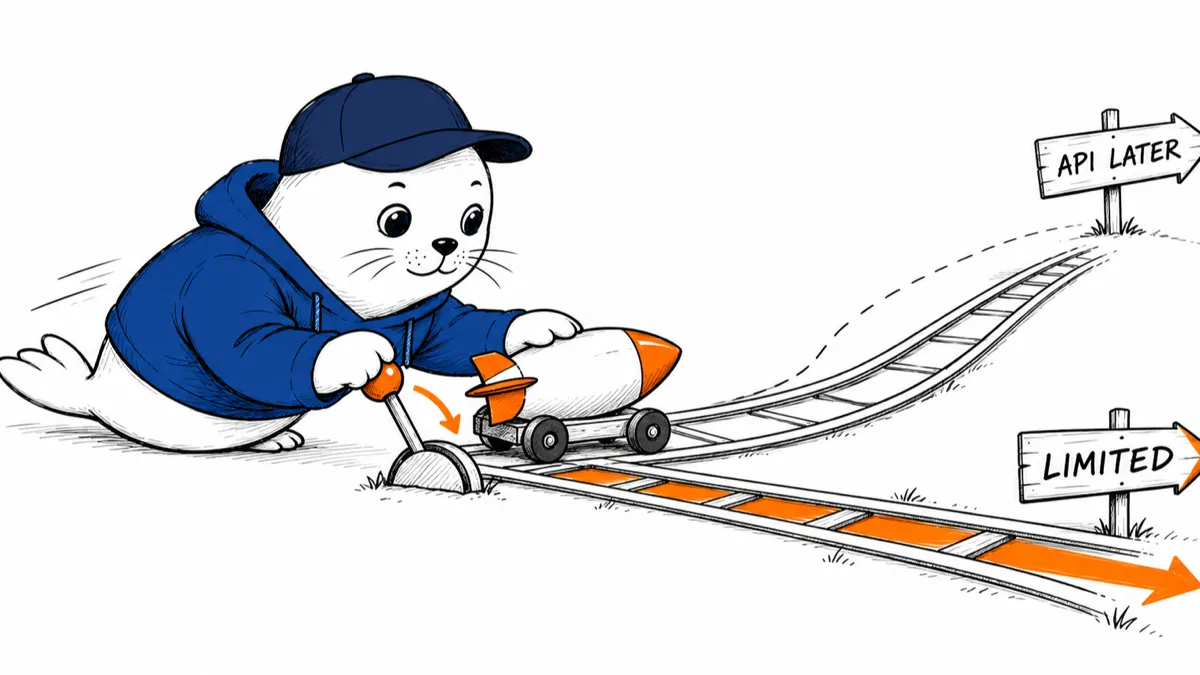
Google has named Gemini 4 Argon, set an access plan, and announced a future price. It has not yet given ordinary Gemini API customers a model identifier they can call.
Google announced Gemini 4 Argon on September 30, describing it as a model built for complex software and cybersecurity work. The first rollout is limited to trusted cyber defenders through Google’s Fairwind Program. Google says broader availability is planned for paid API customers and Google AI Ultra subscribers, but the announcement does not provide a public launch date.
What can you use today?
The practical answer for most developers is: not Argon. On October 1, Google’s public Gemini model list, API pricing page, and Gemini API changelog did not list Argon. That means a pricing statement in the launch post should not be converted into sample code or an “available now” headline.
If you are evaluating a migration, wait for three concrete items: a public model identifier, supported regions, and an API documentation entry. Then test the exact endpoint with a small, non-sensitive workload. A future availability statement is not an integration contract.
The announced price has two stages.
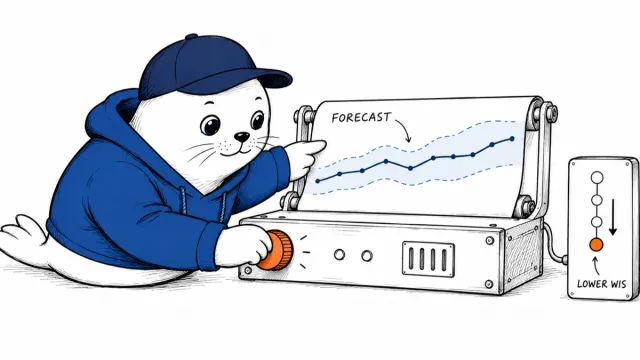
Google says introductory API pricing will be $2 per million input tokens and $10 per million output tokens. It also says the later standard rate will be $4 per million input tokens and $20 per million output tokens. Those figures are useful for a provisional budget, but they are not yet attached to a live public API price card.
Argon is also described as supporting up to one million output tokens. That ceiling is not a spending recommendation. A single maximum-size response at the introductory output rate would represent a large request, and tool calls, retries, and repeated review passes can raise the total further. Set task-level limits before experimenting with long autonomous runs.
Read the benchmark table as a vendor report.
Google reports 77.9% on DeepSWE and 51.3% on AutomationBench, alongside results on other software and security evaluations. These are company-reported benchmarks. They don’t show how the model will perform on your repository, permissions, build system, or incident-response process.
For a local evaluation, separate capability from authority. Give the model a reproducible task in a disposable environment, retain the original failing case, and require a human owner for every high-impact action. Our guide to high-impact agent approvals explains why a successful action still needs an accountable decision boundary.
A safe readiness checklist
- Confirm that Google lists a public model identifier and your region.
- Record the exact price card and effective date used for your estimate.
- Cap tokens, tool calls, elapsed time, and total cost per task.
- Use a sandbox with limited credentials and a documented rollback path.
- Measure accepted results per reviewer-hour, not benchmark score alone.
Google’s Gemini reinforcement-learning fine-tuning preview is a useful comparison: an announced capability can remain pre-GA while documentation and operating limits evolve. Argon deserves the same discipline. Plan around what Google has documented, and don’t build production dependencies around an endpoint that isn’t public.