A patch can look sensible and still fail the test that matters. Serge is useful to study because the verification step, not the generated diff, decides whether a proposed repair moves forward.
On September 29, Hugging Face published a technical account of its bug-fixing workflow. The company reports 29 landed fixes over roughly 80 days. That evidence applies to one deployed system, not a general success rate for coding agents or a claim that maintainers are no longer needed.
What happens between a failure and a fix?
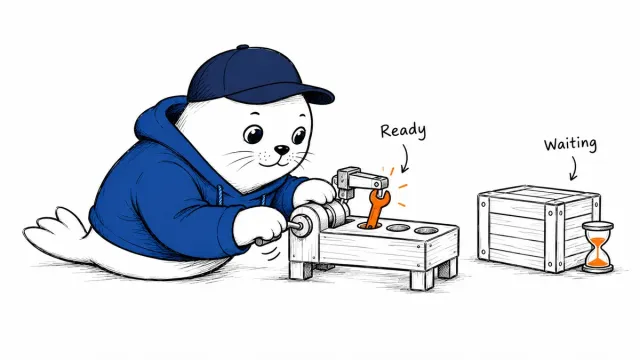
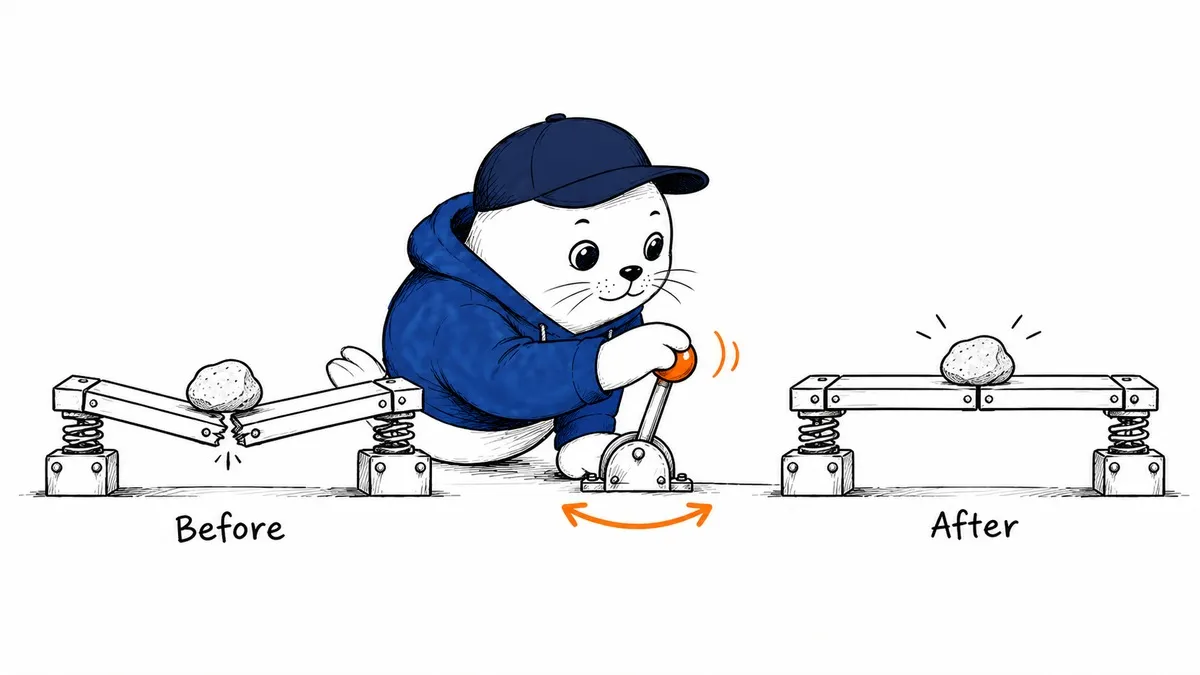
The reported pipeline starts with recurring nightly CI failures, reproduces them on GPU infrastructure, asks an agent for a patch, verifies the result, and then submits a pull request for maintainer review. Hugging Face describes running the base and patched cases five times each. The repetition matters when the original symptom is intermittent.
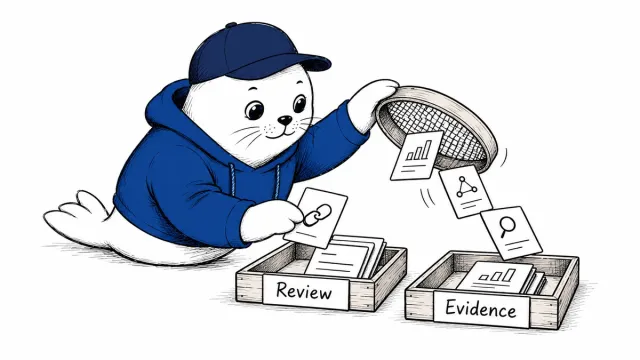
The report also includes attempts that did not produce a safe patch, failed verification, or timed out. In its recent window, 86 sessions produced 19 distinct PRs. A PR is an intermediate result: it can be technically plausible, rejected in review, superseded, or never merged. Counting every generated diff as a solved bug would hide that distinction.
A public example makes the process concrete.
Transformers pull request 49067 was merged on September 25 after human approval. It addresses a PVT2 expected-shape problem associated with values copied from PVT1. The bot documents five failing base runs and five passing patched runs; the PR also shows successful checks. This confirms a specific reviewed example, not the aggregate number of fixes in the report.
An expected-value change deserves particular attention. It can repair an outdated test, but it can also make a test accept broken behavior. I would ask the reviewer to explain why the new value follows from the implementation or specification. A green status alone cannot answer that question.
The inference bill is not the operating bill.
Hugging Face reports about $250 in inference spending for the recent 86-session window, roughly $14 per distinct PR and $43 per merged PR. These are company-reported inference figures. They don’t include GPU verification, infrastructure, or human review costs, so they shouldn’t be presented as the total cost of fixing a production bug.
For a pilot, I would track four separate totals: attempted cases, reproducible failures, verified proposals, and accepted merges. Next to each, record machine time and reviewer time. That lets a team see whether the agent reduces its maintenance burden or moves work from writing patches to rejecting them.
Do not copy permissions from a different deployment
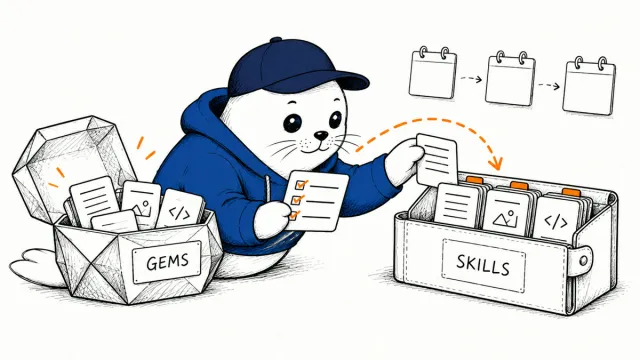
The public Serge repository includes review workflows and optional write-capable tasks. Its tasks documentation assigns test verification to the caller. That is not the same thing as the full GPU-backed pipeline described in the deployment report. Inspect the exact mode you enable before assuming it performs every verification step for you.
A sensible first trial would use a small repository, a reproducible failing test, and a reviewer who owns the affected component. Keep production secrets outside the working environment, restrict write access, and retain the original failing case. Our guide to high-impact agent approvals covers the separate question of who may authorize an action.
What I would measure before expanding the pilot
Treat speed, acceptance, and safety as separate questions. A quick proposal that consumes an hour of review may be less useful than a slower one with clear evidence. Compare accepted fixes per reviewer-hour, recurrence of the original failure, and unexpected changes outside the intended scope. The GPT-6.1 Sol migration guide uses the same cost-per-accepted-task approach for model selection.
We have not reproduced the aggregate results or independently tested SergSerge’s solution. The practical takeaway is a reviewable method: preserve the failure, test the repair against it, and leave acceptance with the maintainer.