
Finding a Claude connector and purchasing a product built with Claude used to be two different errands. Anthropic has put them under one marketplace roof. The interesting question for a buyer isn’t how many listings it has; it is which kinds of listings can actually be used or purchased under an existing agreement.
Three different shelves under one name
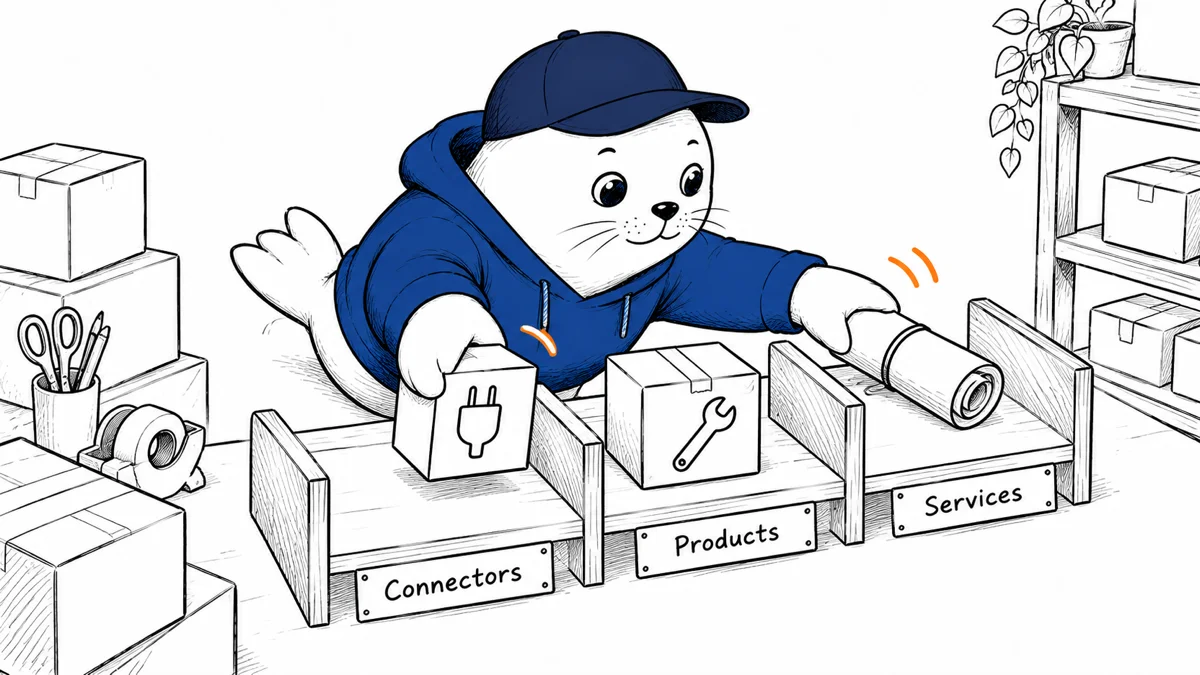
Claude Marketplace launched on September 23, 2026. Anthropic describes three groups: plugins and connectors; Claude-powered agents and products; and consulting or systems-integration partners. The company says more than 2,000 plugins and connectors are available. That count is Anthropic’s, and it should not be mistaken for 2,000 independently tested products.
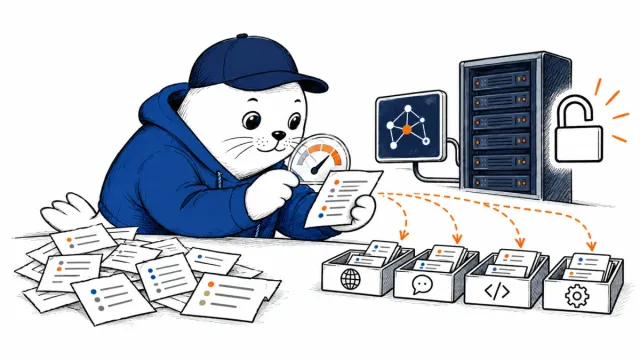
For a user, a connector brings another service’s information or actions into Claude. A partner product is separate software that uses Claude. A service partner helps an organization design or deploy a workflow. A marketplace page can make all three discoverable, but the buying, permissions, and support questions differ across them.
Committed spend is the real commercial change.
Anthropic says eligible customers can apply a portion of their committed Anthropic spend to software from partners including CrowdStrike, Cursor, Harvey, Legora, Lovable and Snowflake. The announcement does not say that every subscriber has a transferable balance, that every marketplace listing accepts it, or that all commitment terms are identical. Procurement teams should confirm the applicable agreement and partner product before calling this a new budget.
That distinction matters for a builder choosing where to sell. A connector listing can make an existing tool easier to find inside Claude. A separately sold agent needs a procurement path and a customer who can actually use it. Anthropic invites product makers to apply for a Marketplace listing, while builders of connectors and plugins can use MCP and Agent Skills.
The practical test is simple: can a customer discover the integration, approve its permissions, assign an owner, and buy or enable it without a second bespoke deal? If the answer differs by listing type, Marketplacelace is a discovery layer for that item, not yet a one-click sales channel.
What a team should check before connecting anything
Start with access, not the catalog count. For each integration, record which user or service account authorizes it, which data Claude can read, whether it can write, and who sees the result. Our Claude Tag guide shows why channel-level and personal permissions can produce very different outcomes even when the same tool name appears in the interface.
Then check the business side: who provides support, how usage is billed, what happens if the Anthropic commitment ends, and whether the partner’s own contract governs data retention. The Marketplace announcement is a starting point for those questions, not a universal answer. For teams evaluating connectors as part of an agent workflow, our Claude integration guide provides a narrower installation lens.
The opportunity for builders
I would not build a connector merely to appear in a directory. Build one when the action or context is valuable enough that users already ask Claude to do it manually. Then make the permission request narrow, the output inspectable, and the failure behavior obvious. A listing may lower discovery friction; it cannot fix an integration that asks for too much access or returns unreliable results.
The purchasing option could matter more for enterprise agents than the storefront design. It gives some buyers a route to spend already committed money on partner software. The word “some” does important work there. Until the eligible contract and product are known, no buyer should assume a Marketplace badge equals budget approval.
Start with the listing type.
Browse the official launch details and the linMarketplacelace before budgeting a deployment. Decide first whether you need a connector, a purchased product, or a service partner. That choice determines the security review, owner, and commercial conversation that follows.