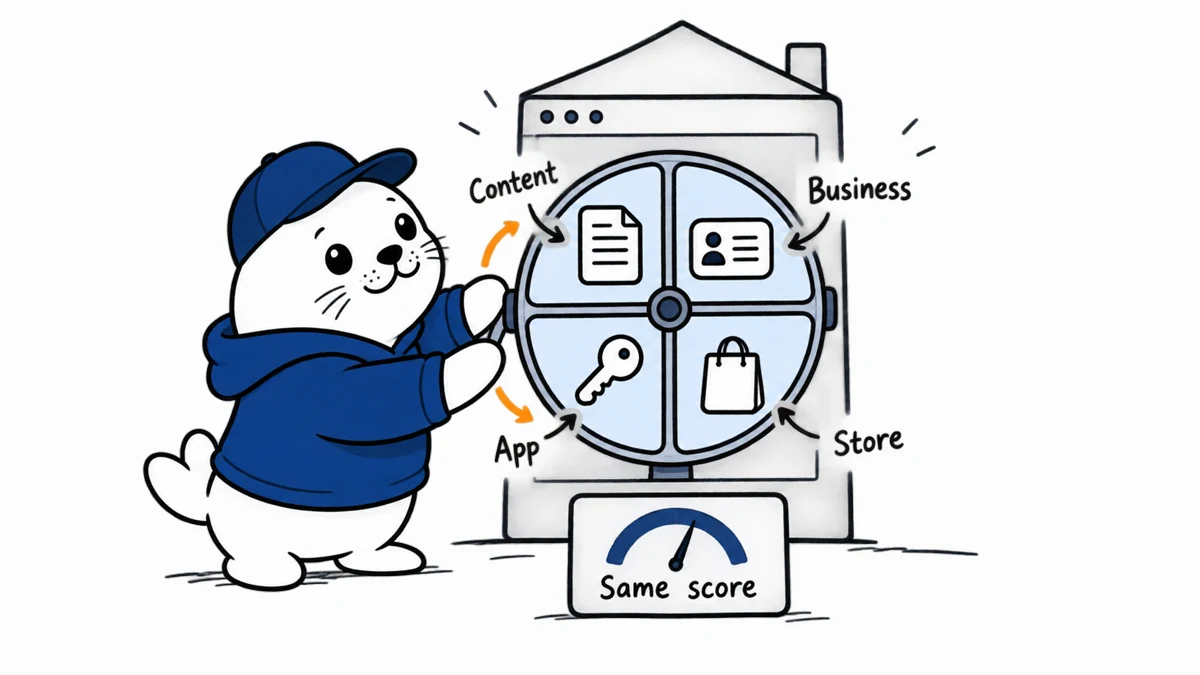
Vercel’s Is Agentic audit now organizes its report around four site types: Docs and content, Business, App and Commerce. The selected view does not change the score. It changes which evidence is emphasized for the job an AI agent is expected to complete.
Four views of the same agent-readiness problem
| View | Agent goal | Evidence to inspect |
|---|---|---|
| Docs and content | Find and cite reliable information | Readable pages, structure, canonical signals and freshness |
| Business | Understand an organization and contact it | Identity, services, locations, policies and contact paths |
| App | Discover and use functionality | API discovery, authentication, errors and SDK guidance |
| Commerce | Find, evaluate and purchase | Product data, availability, price and transaction protocols |
Why the score stays the same
The category is a lens, not a separate benchmark. Vercel says switching views does not require a rescan and does not change the score. That is useful because a site can serve multiple purposes, but it also means owners should not treat one number as proof that every agent task works.
The meta tag makes intent explicit
Sites can declare a preferred type with the is-agentic-site-type meta tag. Vercel documents four values: content, business, app and store. The tag helps the report choose a relevant view, but it cannot substitute for the underlying pages, APIs or transaction data.
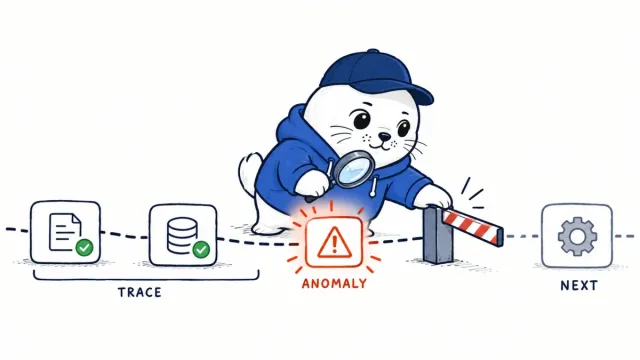
An audit should end in a real agent task
- Choose one high-value task, such as finding a policy, creating an API request or comparing a product.
- Run the audit and record the failed checks relevant to that task.
- Fix one discoverability or structure problem.
- Repeat the task with a separate agent and capture the evidence it used.
- Measure completion, citations, errors and the need for human correction.
This converts a checklist into an outcome. A site may score well and still fail because the decisive fact is inside an image, a login wall, a client-only interface or an undocumented endpoint.
The App and Commerce views expose different bottlenecks
The App view emphasizes API discovery, authentication, error handling and SDKs. Commerce highlights transaction protocols including x402, UCP and ACP. These checks reflect a future where agents do more than read pages. They also need deterministic ways to authenticate, understand failures and complete bounded actions.
Public API, CLI and MCP support make the audit automatable
Vercel documents a public report API plus CLI and read-only MCP access. That enables a team to run the same checks in deployment review, compare changes over time and let an assistant inspect results without giving it permission to change the site. The key is to store the report beside the release that produced it, so regressions have a clear owner.
Where this fits with discoverability work
Agent readiness overlaps with search and answer visibility but is not identical. Our reference guide to AI GitHub repositories depends on structured, crawlable source pages, while ChatGPT Ads and Shopify agents adds commerce actions. The audit is most useful when the declared site type matches the task a publisher wants agents to complete.
The practical verdict
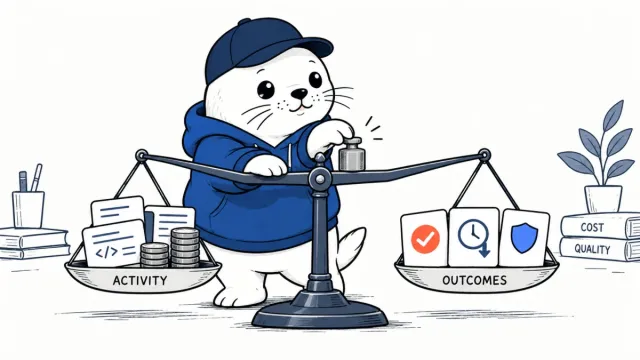
Vercel Is Agentic is becoming a more useful diagnostic because it separates content, business, application and store needs without pretending they require four unrelated scans. Treat the score as a starting point. The release gate should be a reproducible agent task with traceable evidence and a failure path the team can fix.
Primary sources
Checked September 16, 2026. Tool behavior and documented site types reflect the current Vercel and Is Agentic pages.