Writing a food policy is easier than keeping a crowded settlement fed.
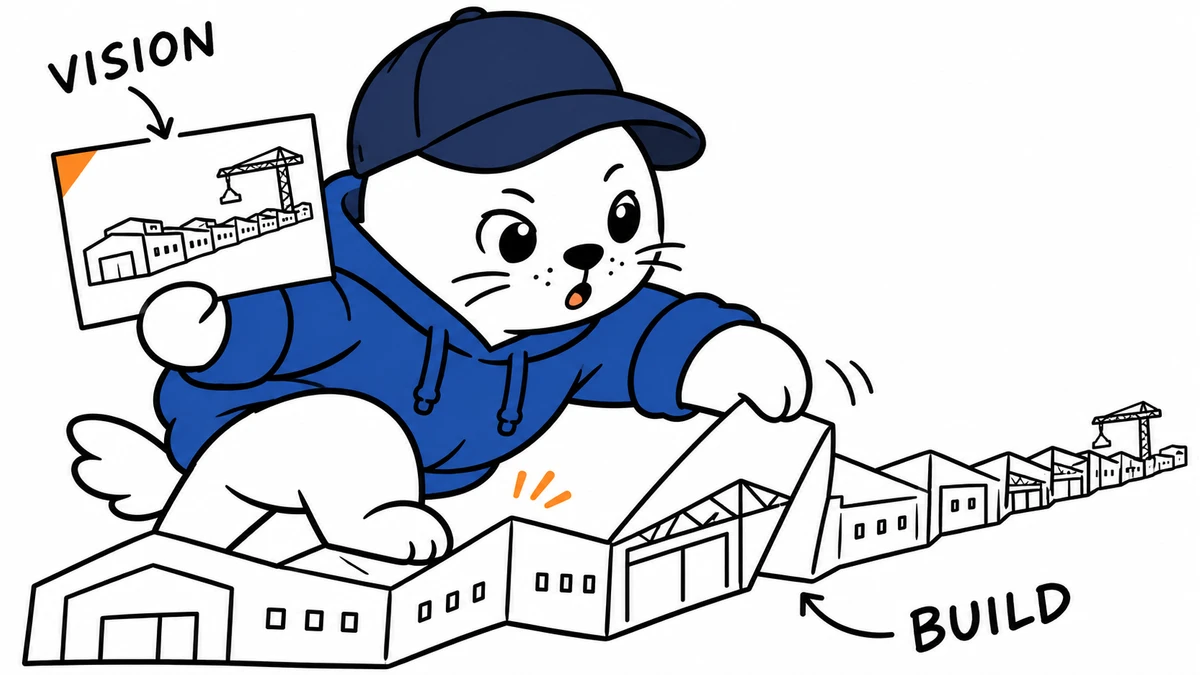
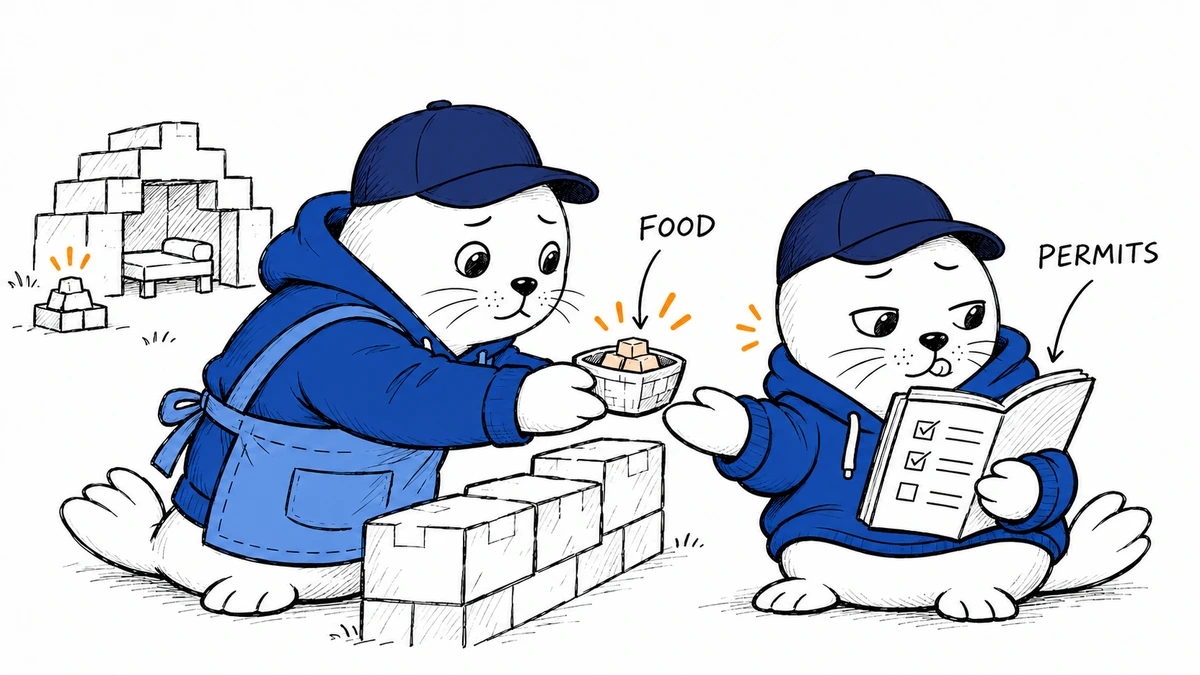
YC Labs and Olam Labs put 50 GPT-6.1 Sol agents into a Minecraft survival world for three hours. Their October 2026 report describes a colony that developed rules, permits, and food rationing while struggling with survival. The published page gives a month, without an exact release day.
The first name in the directory became the leader
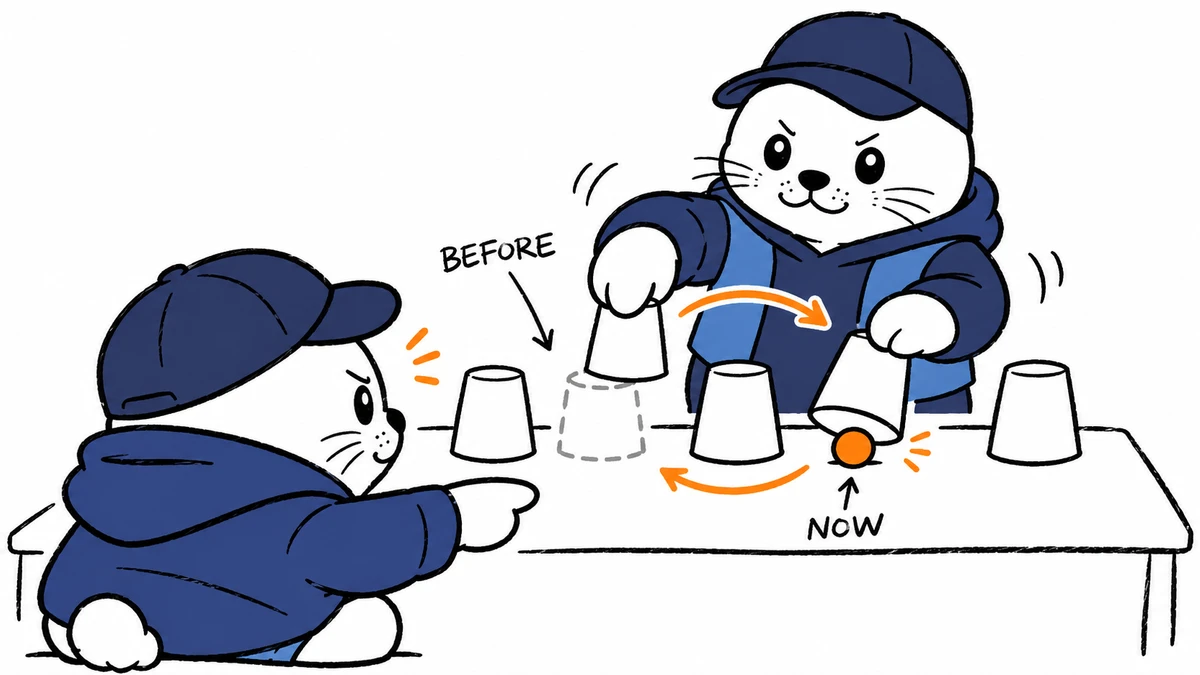
The researchers report about 5,900 messages during the run. Ada, listed first in the agent directory, became the coordinator. Other agents sought approvals, while shared files recorded plans and food allocations. A directory that looks like neutral infrastructure can therefore influence how work is organized.
The roster detail suggests a useful follow-up experiment: shuffle the names and order while keeping the objective and environment fixed. Repeat several runs and compare who coordinates the work. That would help separate an ordering effect from a stable leadership pattern. The published example alone cannot establish which explanation dominates.
A ledger records a claim before it proves a delivery
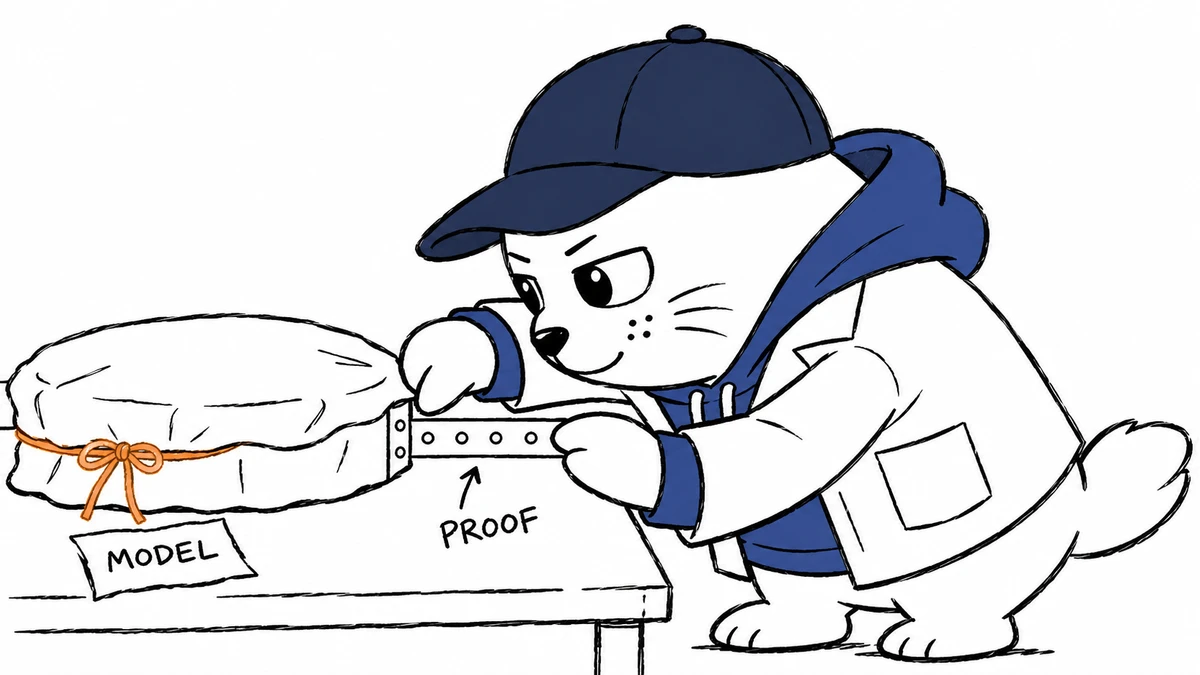
The report includes a food ledger that distinguishes reported needs from confirmed allocations. That is worth examining alongside the finished settlement. An agent can announce a delivery while the recipient still lacks food. For a business workflow, the comparable distinction is between a task marked complete and an observable result.
My first measurement would be completed deliveries per unit of work, alongside time spent requesting permission. Message counts reveal activity, but the useful outcome depends on whether the intended recipient actually gets the resource. A repeat experiment could compare direct allocation with the colony’s approval process.
The harness makes the setup inspectable
The open-source harness uses Mineflayer to interact with Minecraft and Pi to manage model sessions. Its README describes persistent sessions, team configuration, and direct messages. It supports several model providers, so a reproduction must record the selected model and configuration.
The repository also documents a shell for each agent. Depending on configuration, that can use a hosted sandbox, Docker, or a local folder. The local option runs commands as the host user. Anyone reproducing the experiment should inspect those boundaries before supplying credentials or running a team.
Use the report to design a comparison
We reviewed the published report, sample ledger and repository documentation; we did not rerun the experiment. A single survival run cannot rank general coding ability or establish how a company’s employees would behave. It can suggest concrete variables to test: roster order, approval delays, and verified task completion.
The same reporting discipline applies to a coding-model trial: save the configuration and inspect the actual output. Which coordination step would you remove first from this colony?

Abdessalam Alaoui
I'm Abdessalam Alaoui, founder of Musthave.AI. I write practical guides to AI models, tools, generative media, and ways real people make money with this stuff. No press-release fluff. 20+ years shipping digital products; you'll also find my work around HowTik, Yumasty, and IncomeHelpful.