
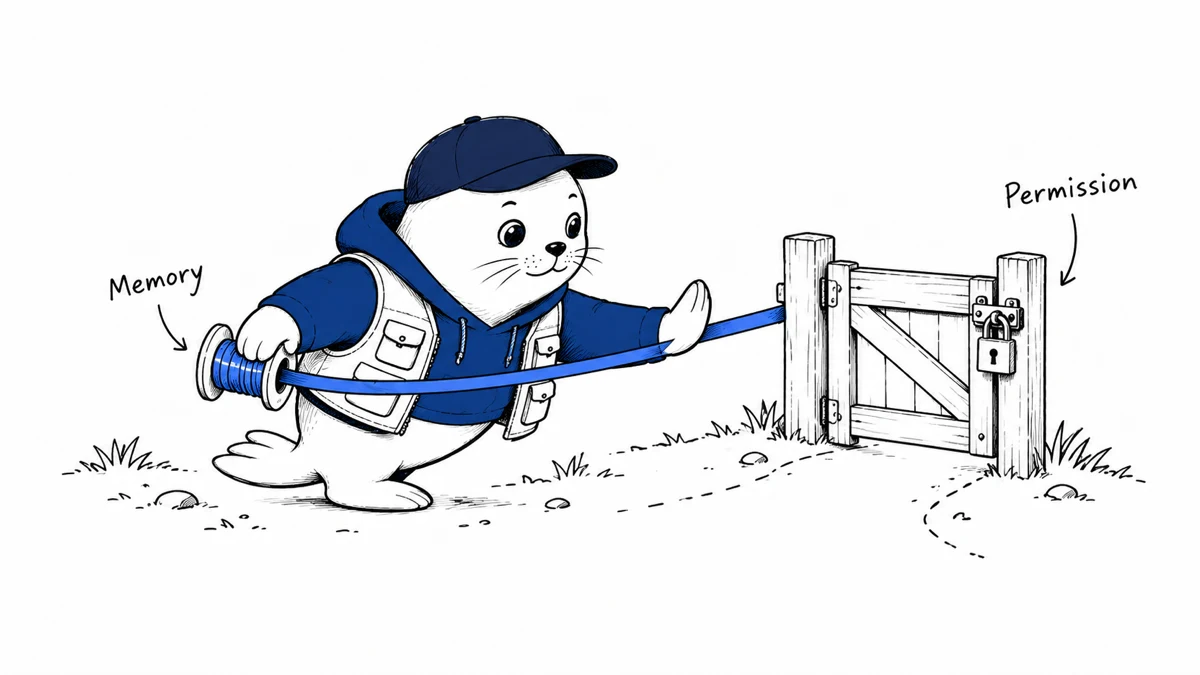
An agent that remembers your project can save you from repeating explanations. A useful trial also checks which remembered details it should ignore and which actions need your approval.
Where Meta says the models are available
Meta’s announcement lists Muse Wonder through the Meta Model API and Muse Code. Muse Wonder Full is available to Muse Code subscribers. The announcement describes consumer Muse access as a later rollout, starting with subscribers.
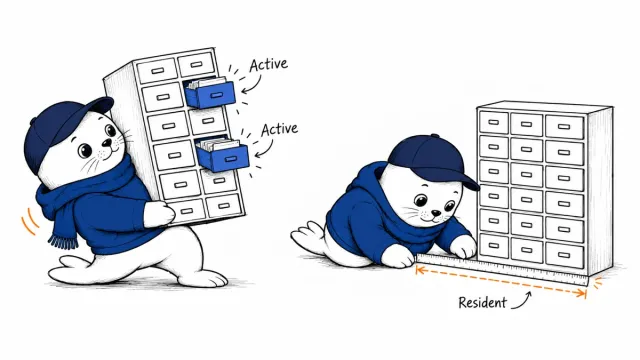
The research post calls the two features “Active Memory” and “Active Focus”. The first concerns relevant context across conversations. The second concerns persistence through difficult tasks and recovery from errors. These are vendor descriptions, not independent reliability measurements.
Test a remembered preference against a new instruction
A small project is enough to test the behavior you care about. Give the agent a harmless style preference, then change that preference in a later conversation. Inspect whether the final artifact follows the latest instruction. Keep the task and expected result in your trial record.
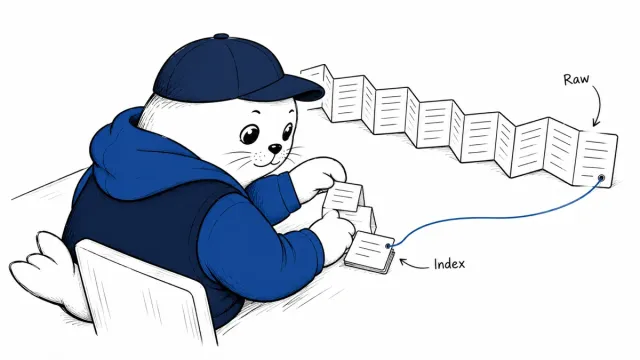
Next, place unrelated information in a separate project and ask a question that should use only the current project. Record whether the agent imports the unrelated detail. This proposed test checks a boundary that a successful recall demonstration does not establish.
- Use non-sensitive project material for the first trial.
- Save the model and the access surface used.
- Write the expected result before starting.
- Test an explicit change to a remembered preference.
- Inspect whether an unrelated project affects the answer.
- Review every external action before allowing it.
Persistence needs a stopping rule
Choose a maximum time and budget for the trial. Include an intentionally blocked task and decide what a useful stop looks like. A model that keeps trying can produce more work while leaving the original requirement unresolved.
For a coding task, use an acceptance test and inspect the patch. For a document task, check the final wording against the requested change. Count accepted results and correction time; repeated attempts alone do not show success.
Meta reports benchmark gains and says more safety evaluations will follow in a full report. We have not reproduced those results or tested account-level access, pricing, or data controls. Confirm the current terms in your account before using private documents.
Read our work-agent permissions guide and agent telemetry guide for related rollout decisions.
Choose the smallest task that reveals a failure
I would begin with a task whose result another person can check quickly. What would cause you to stop the trial: incorrect recall, repeated rework, or an action outside the agreed scope?
Announcement and research material checked October 13, 2026. The trial methods are proposals, not hands-on findings.