
A licensing agreement can make an AI music product possible. It does not tell a fan which song they can remix, where the result may be shared or who owns the output. ElevenLabs and Universal Music Group have confirmed the agreement. The product rules are still being written.
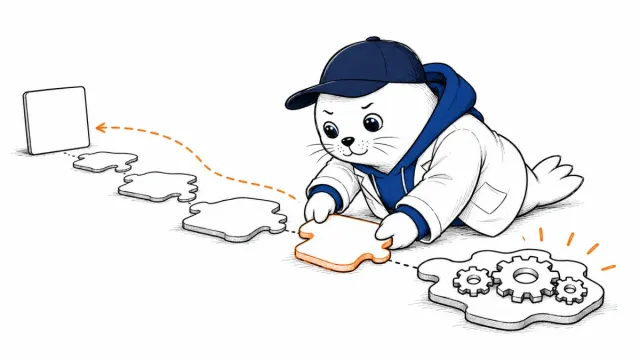
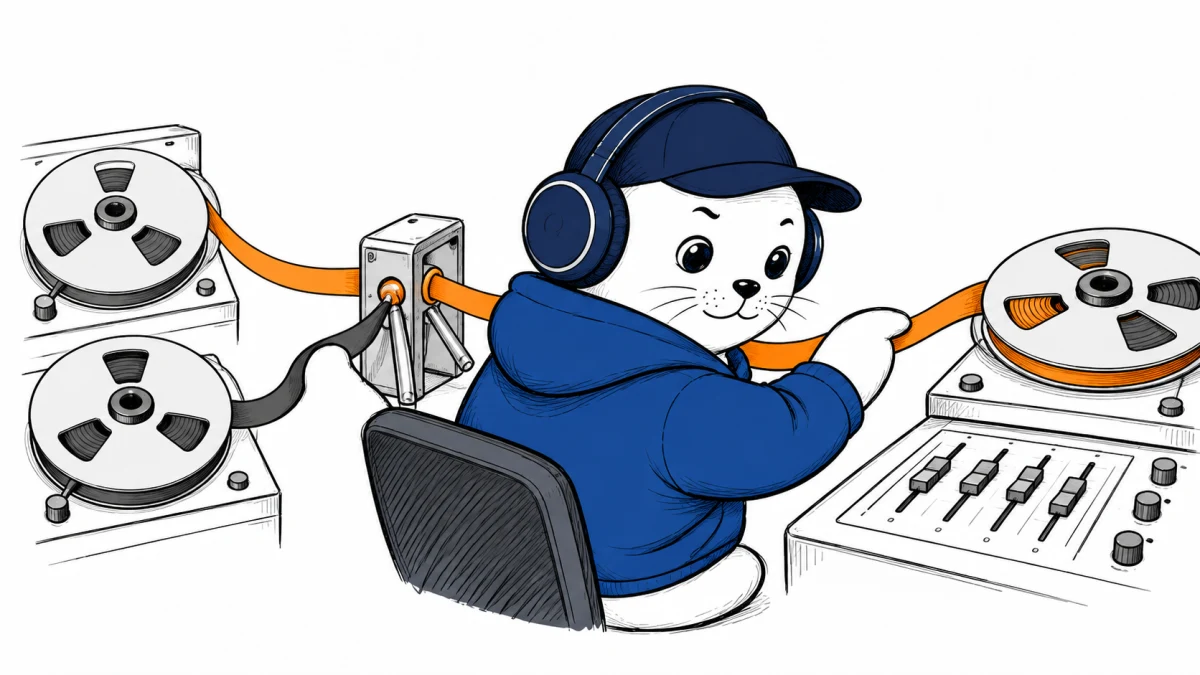
ElevenLabs and Universal Music Group announced a multi-year agreement on September 10, 2026. The companies say they will develop a separate fan platform for remixes, mashups, track reinterpretations and personalized vocal experiences.
The deal exists; the fan platform does not yet
The most important distinction is availability. The agreement is announced and product development is underway. The public materials do not provide a launch date, waitlist, country rollout or price.
This is also described as a separate fan platform. It should not be confused with the existing ElevenMusic product or treated as proof that the ElevenLabs Music API now includes the same catalog rights.
Participating music is a narrower promise
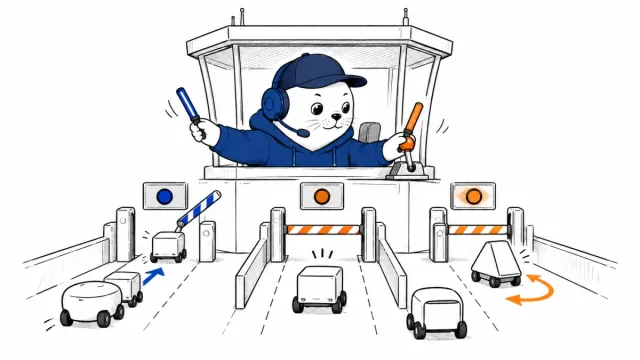
The announcement refers to participating artists and music. That wording does not establish that every UMG recording, composition or artist voice will be available. Recorded music, publishing rights, performer consent and publicity rights can follow different contracts.
| Question | Confirmed now | Still unknown |
|---|---|---|
| Catalog | UMG is a licensing partner | Songs, territories and participating artists |
| Experience | Remixes, mashups and personalized vocals are planned | Exact tools, limits and moderation |
| Compensation | The companies say artists will be supported | Revenue formula, reporting and minimums |
| Output rights | No complete public rule | Ownership, commercial use and takedowns |
| Provenance | No detailed public rule | Watermark, metadata and detection behavior |
A licensed input does not settle the output
Fans will need clear answers before publishing a remix. Can an output be posted on social media? Can it earn ad revenue? Does a generated vocal count as a derivative use? What happens if two participants combine music governed by different terms?
A good product can answer those questions inside the workflow, before generation, not inside a legal page after the fact.
What creators should look for at launch
- A visible catalog status for every track and voice.
- A territory check before generation and sharing.
- Plain output rights for personal, social and commercial use.
- Attribution and provenance that travel with an exported file.
- A revenue statement showing who is paid and how usage is counted.
- A dispute, correction and takedown path for artists and fans.
Our ChatGPT Images release guide uses the same product test: capability, plan, price, rights and provenance belong in one decision. The AI repository reference also explains why an available tool and a usable license are different claims.
The business test is reporting, not only generation
If the platform is meant to compensate participating artists, it needs a trustworthy ledger. That means defined events, duplicate handling, territory logic, revisions and reports an artist or rights holder can inspect.
The announcement says the companies plan new forms of fan participation. It does not publish the compensation mechanics. Until those appear, claims about a fairer AI music economy remain forward-looking.
The first useful review should follow one song through the entire product. Start with the catalog and territory check, record the permission shown before generation, export the result, publish it through an allowed channel, inspect the usage entry and then test the correction or takedown path.
That lifecycle separates a licensed creative tool from a polished generator. The remix button proves that audio can be made. The later screens must prove who may share it, how participating artists are credited, which event produces compensation and what happens when permission changes.
My take: licensing is the entry ticket
This agreement matters because it moves the conversation from scraping and lawsuits toward product rules negotiated with a major rights holder. That is progress, but it is not the finish line.
The platform will earn trust through the boring details: catalog labels, export rights, money flow and corrections. I will judge the launch by those screens, not by the first celebrity demo.
Read the primary material
- ElevenLabs and UMG licensing announcement
- ElevenLabs Music product information
- ElevenLabs Music API documentation
Checked September 12, 2026. The agreement and planned experiences come from ElevenLabs and UMG. Product-rights questions are MustHave.ai analysis.